- Kenya’s grain milling sector says compliance costs are pushing responsible millers into an unfair market disadvantage.
- Fortified flour is nearly double the price of non-compliant products, affecting competitiveness.
- Aflatoxin contamination remains a major health and financial risk across the supply chain.
- Industry players are calling for stronger regulation, better technology, and policy reforms to level the market.
Kenya’s grain milling industry, which supplies food to tens of millions daily and dominates the country’s wheat processing capacity, is now warning of rising pressure from weak enforcement and uneven competition.
Stakeholders say companies that follow safety and nutrition standards are being squeezed out by cheaper products that ignore regulations, creating a widening gap in the market.
The concerns were raised during the Cereal Millers Association (CMA) Annual Technical Conference and Expo 2026 held in Nairobi, where industry leaders discussed the future of food safety and affordability.
Millers say producing fortified and fully compliant flour has become increasingly expensive, yet the market does not reward these efforts.
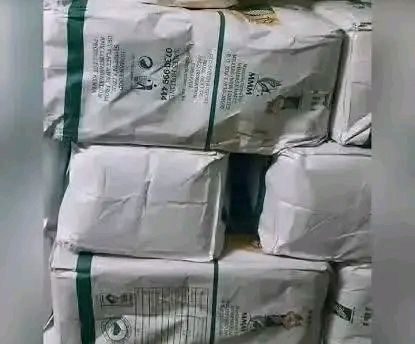
A two-kilogram packet of certified fortified flour sells at nearly double the price of non-compliant alternatives, making it difficult for responsible producers to compete.
The added costs come from testing, quality control systems, premix ingredients, and strict regulatory checks, all of which reduce profit margins in a price-sensitive market.
One of the biggest threats facing the industry is aflatoxin contamination, a toxic substance produced by fungi in poorly stored grain.
The toxin cannot be seen, tasted, or removed once it enters the food chain, making it a serious public health concern.
Health experts link exposure to liver cancer, child stunting, and weakened immunity, with millions of tonnes of grain across Africa affected annually.
Millers also face heavy losses, with some reporting rejection of up to a quarter of raw grain during high-risk seasons.
During the conference, speakers highlighted the financial strain of maintaining safe production standards.
They pointed to expenses such as equipment calibration, staff training, laboratory testing, and strict monitoring systems.
Even small errors in dosing or mixing were said to affect both profits and nutritional value, creating pressure across the entire production chain.
Kenya requires flour fortification with essential nutrients such as iron, zinc, folic acid, and vitamins A and B to improve public health outcomes.
While the policy supports better nutrition, it also increases production costs for licensed millers.
Small-scale informal mills, which are not fully regulated, continue to operate outside these requirements, giving them a pricing advantage in low-income markets.
Industry stakeholders are now pushing for stronger enforcement and fair competition policies.
They argue that compliant millers should not be punished for meeting safety standards while cheaper, non-compliant products dominate the market.
Some participants suggested that public institutions such as schools and hospitals should prioritise certified flour suppliers to encourage compliance.
Innovations were also showcased as potential solutions to the sector’s challenges.
One device, an AI-powered grain scanner, can detect aflatoxin within seconds without laboratory testing, offering faster and more accessible quality checks.
Experts believe such tools could help improve monitoring from farm level to milling plants while reducing reliance on costly lab systems.
Regulators were urged to modernise oversight systems by linking licensing, taxation, and inspection data across government agencies.
Industry players also called for coordinated enforcement between national and county authorities to reduce gaps that allow unsafe products into the market.
The goal, they say, is to move toward a more transparent system that rewards compliance and protects consumers.
The Cereal Millers Association, which represents a large share of Kenya’s milling capacity, said the future of the sector depends on aligning public health goals with market realities.
Stakeholders stressed that food safety, nutrition, and economic sustainability must work together if the industry is to remain viable.
As discussions continue, the sector now faces a key question: how to ensure safe food production without pricing responsible millers out of the market.