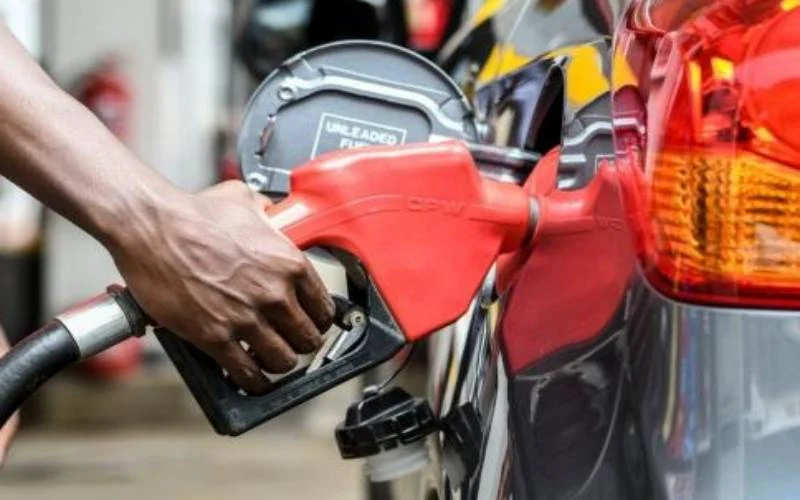
- Fuel prices in Kenya have crossed KSh 200 per litre, with sharp increases in both petrol and diesel.
- Many Kenyans are revisiting past campaign promises made by William Ruto on lowering fuel costs.
- Rising global oil prices and supply disruptions have been cited as key drivers of the surge.
- The government has taken measures such as tax adjustments and subsidies to cushion consumers.
Kenyans woke up to a harsh reality as fuel prices surged past the KSh 200 mark, pushing the cost of living even higher.
In Nairobi, petrol rose significantly to over KSh 206 per litre, while diesel recorded an even steeper jump. The increase is expected to affect transport, food prices, and overall household spending across the country.
The latest adjustments by the Energy and Petroleum Regulatory Authority reflect growing pressure from global oil markets and a weakening shilling.
As the cost of fuel climbs, attention has turned to earlier statements made by William Ruto before he took office.
During the 2022 campaigns, Ruto strongly criticised high fuel prices and questioned the reasons given by the previous administration led by Uhuru Kenyatta.
At the time, he dismissed external factors such as global conflicts and instead blamed local inefficiencies, high taxation, and alleged cartels for driving up costs.
Now, many Kenyans are revisiting those remarks as they compare past promises with the current reality.
After assuming office, the Kenya Kwanza administration took a different path on fuel policy.
The government moved to remove fuel subsidies introduced earlier, arguing that they were costly and open to misuse. This decision marked a shift from campaign rhetoric to fiscal reforms aimed at stabilising the economy.
Later, however, global factors such as the Russia-Ukraine conflict and supply chain disruptions began to feature in official explanations for rising prices.
The latest spike in fuel costs has largely been linked to international developments affecting oil supply.
Tensions involving Iran, Israel, and the United States have disrupted key supply routes such as the Strait of Hormuz, a vital channel for global oil transport.
According to the Energy and Petroleum Regulatory Authority, the landed cost of imported fuel has risen sharply in recent months, forcing adjustments at the pump.
These global shocks have made it difficult for import-dependent countries like Kenya to shield consumers fully from price increases.
In response to the rising costs, the government has implemented several measures aimed at easing the burden on consumers.
These include a reduction in VAT on petroleum products and the use of the Petroleum Development Levy Fund to stabilise prices.
Despite these efforts, the impact on ordinary Kenyans remains significant, with transport fares and essential goods already showing signs of increase.
The price surge has sparked strong reactions online, with many Kenyans sharing old campaign clips and statements.
Critics argue that the gap between promises and current realities has widened, while others acknowledge the difficulty of managing an economy exposed to global market forces.
Leaders such as Edwin Sifuna have also weighed in, questioning the change in narrative from past positions on fuel pricing.
The current situation highlights the complex nature of managing fuel prices in a globalised economy.
While campaign messages often focus on local solutions, real-world challenges such as exchange rates, global conflicts, and supply chains play a major role.
As fuel prices remain high, the government faces growing pressure to balance economic realities with public expectations, especially from the same voters who were promised relief.
For many Kenyans, the debate is no longer about what was said in the past, but how the situation will be managed going forward.