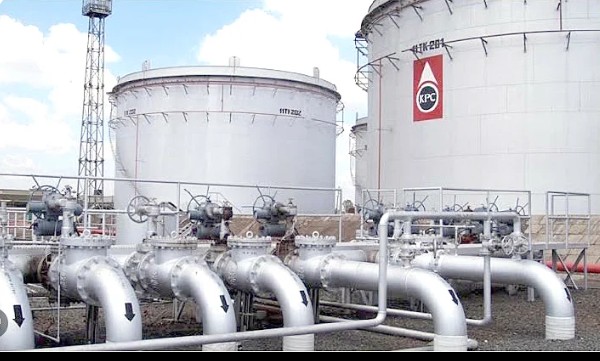
- Kenya Pipeline Company reported a 13.1 per cent increase in net profit to Sh11.58 billion for the year ended June 2026.
- Revenue rose to a record Sh42.98 billion, supported by higher petroleum transportation volumes.
- The board proposed a Sh5.9 billion dividend, subject to shareholder approval.
- Borrowings dropped by 83.4 per cent, while cash balances rose to Sh20.54 billion.
- KPC is targeting annual revenue of Sh68 billion by the 2030 financial year.
Kenya Pipeline Company (KPC) has reported improved financial results for the year ended June 2026, with higher petroleum transportation volumes helping lift revenue and profitability. The state-backed company posted a net profit of Sh11.58 billion, representing a 13.1 per cent increase from the previous financial year. Revenue climbed by 8.8 per cent to a record Sh42.98 billion, compared with Sh39.50 billion a year earlier.
The audited results, released on Wednesday, mark KPC’s first annual earnings announcement since its listing on the Nairobi Securities Exchange (NSE) in March 2026. The company also recommended a dividend of Sh5.90 billion for shareholders. The proposed payment will require approval before distribution.
Petroleum transportation remained the company’s biggest revenue source, generating Sh41.82 billion during the year. This represented an 8.4 per cent increase and accounted for 97.3 per cent of total revenue. KPC linked the improved performance partly to a 7 per cent rise in local and transit petroleum volumes.
The company handled 10.61 billion litres of petroleum products during the financial year. Kenya accounted for 49 per cent of the total volume, while Uganda contributed 27 per cent. Eastern Democratic Republic of Congo represented 9 per cent, and aviation hydrant operations accounted for 8 per cent, according to the company’s investor presentation.
Earnings before interest, tax, depreciation and amortisation rose by 10.7 per cent to Sh24.95 billion. Profit before tax increased by 8.4 per cent to Sh17.54 billion, while the net profit margin improved to 26.9 per cent from 25.9 per cent in the previous year.
Despite the stronger results, direct costs increased by 8.5 per cent. KPC attributed part of the increase to higher electricity and maintenance expenses.
KPC also reported stronger cash generation, with operating cash flow increasing by 34.3 per cent to Sh17.39 billion. Its cash balances rose by 84.4 per cent to Sh20.54 billion by the end of the financial year. At the same time, investing cash outflows increased from Sh2.52 billion to Sh4.48 billion, reflecting higher infrastructure spending.
The company’s borrowings fell by 83.4 per cent to Sh442.86 million following debt repayments. The reduction in borrowing came alongside improved operating cash flow and higher cash reserves.
KPC’s historical financial data also indicates that revenue has expanded more than sixfold since the 2003 financial year. The company, however, recorded a loss of Sh1.74 billion in the 2021 financial year.
Shareholders Await Proposed Sh5.9 Billion Dividend
The board has recommended a dividend payout of Sh5.90 billion, matching the distribution made for the 2025 financial year. The proposed payment works out to approximately Sh0.32 per share and represents about 50.9 per cent of the company’s annual net profit.
The proposed distribution is broadly consistent with the 50 per cent earnings payout policy outlined in KPC’s initial public offering memorandum. Shareholders will need to approve the dividend before it can be paid. The company has set November 30, 2026, as the shareholder record date.
KPC entered the NSE in March following a government share sale through an IPO priced at Sh9 per share. The transaction raised Sh106.31 billion for the National Treasury after the government sold a 65 per cent stake in the company.
According to KPC’s October investor briefing, the government retained a 35 per cent holding, while the Ugandan government held 21.22 per cent.
Acting Managing Director Pius Mwendwa said stronger collections, improved fuel availability and operational efficiency contributed to the financial performance.
The company has set a target of generating Sh68 billion in annual revenue by the 2030 financial year. Achieving the goal would require compound annual growth of approximately 12 per cent from the Sh42.98 billion recorded in FY2026.
One of the proposed projects is a petroleum trading hub at the Kipevu facilities of KPC subsidiary Kenya Petroleum Refineries Limited. Chairperson Faith Bett-Boinett outlined the proposal as part of plans to expand the company’s role in regional petroleum distribution.
The proposed hub could offer bunkering, transshipment and petroleum re-export services. These activities are intended to strengthen Kenya’s position as a regional centre for petroleum-related trade.
KPC is also pursuing pipeline expansion towards Uganda and Rwanda. The planned regional links are aimed at increasing transportation capacity and serving demand in neighbouring markets.
In August, KPC’s subsidiary signed a 25-year crude oil storage and handling agreement with Gulf Energy E&P. The company estimates that the arrangement could generate Sh93.68 billion in gross revenue over its full term.
The projected income will depend on the actual volumes handled and the tariffs applied under the agreement. The estimate therefore represents potential revenue over the contract period rather than a guaranteed amount.
The deal forms part of KPC’s broader effort to grow its infrastructure-related business and expand its role in the regional petroleum supply chain.