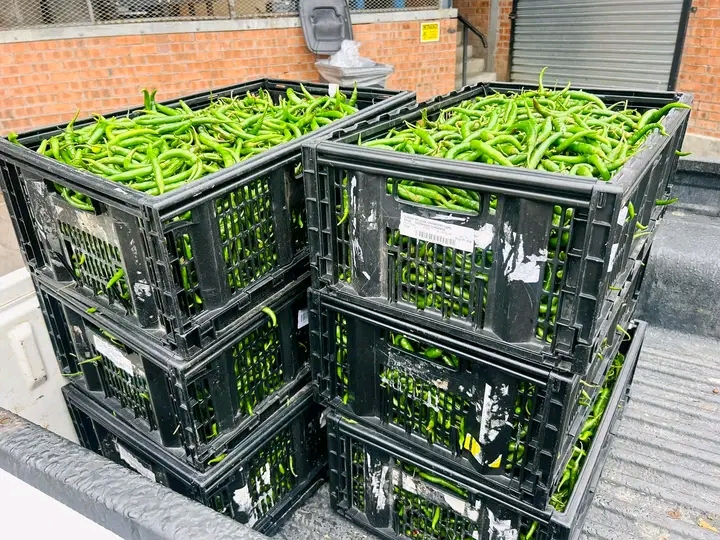
- Kenya has secured access to China’s market for dried chillies, according to a KEPHIS notice dated October 16, 2026.
- Farms, drying facilities, packhouses and processing facilities must meet registration and inspection requirements.
- Every shipment must carry a phytosanitary certificate issued by KEPHIS.
- Exporters must comply with food safety standards, including a maximum moisture content of 13 per cent and zero tolerance for Sudan dyes.
- Producers must maintain pest-monitoring records for at least two years and establish traceability systems.
- China has identified nine quarantine pests and plant pathogens of concern under the export arrangements.
Kenyan farmers and exporters can now target China with dried chillies, creating an additional opportunity for the country’s agricultural export sector. The Kenya Plant Health Inspectorate Service (KEPHIS) announced the market access in a public notice dated October 16, 2026. The opportunity covers industry players involved in growing, processing, drying, packing and exporting the crop. Businesses seeking to benefit must first demonstrate that their operations and consignments meet the prescribed requirements.
Access to the Chinese market does not automatically allow every producer to begin exporting. Farms and facilities must undergo the necessary registration and inspection procedures, while shipments must meet plant health and food safety standards. The requirements are intended to ensure that imported chillies comply with China’s regulations. Exporters will therefore need to prepare their supply chains before sending consignments.
Farms and processing facilities must be registered
KEPHIS says farms, production sites, drying facilities and packhouses involved in the export process must be registered with the Kenyan inspectorate. Export processing and packing facilities must also undergo inspection and approval by KEPHIS before being registered with China’s General Administration of Customs (GACC). The registration process places responsibility on businesses to demonstrate that their facilities meet the applicable conditions. Producers and exporters should confirm their eligibility and registration status before preparing shipments.
Each consignment destined for China must be accompanied by a phytosanitary certificate issued by KEPHIS. The certificate confirms that the shipment meets the relevant plant health requirements. Exporters must also establish traceability systems capable of tracking the chillies through production and processing. These records can help identify the origin of produce if a pest or compliance concern arises.
Food safety standards will determine export eligibility
Meeting plant health requirements is only part of the process. Exporters must also comply with Chinese food safety rules covering pesticide residues, aflatoxin B1, heavy metals and microbiological contamination. KEPHIS specifies zero tolerance for Sudan dyes and requires compliance with applicable microbiological standards, including the absence of Salmonella. Dried chillies must also have a moisture content of no more than 13 per cent.
Packaging and labelling must meet the prescribed standards, and exporters are required to use clean, suitable packaging materials. These conditions make quality control important throughout harvesting, drying, storage and packing. Businesses will need reliable handling procedures and supporting records to demonstrate compliance. The KEPHIS notice provided for this report does not state a numerical aflatoxin B1 limit, so exporters should confirm the applicable threshold directly with the agency before shipping.
China has identified nine quarantine pests and plant pathogens of concern under the export arrangements. The list includes the khapra beetle, cowpea weevil and common bean bruchid. It also covers pathogens associated with potato spindle tuber viroid, tomato brown rugose fruit virus, zebra chip disease, bacterial canker and bacterial speck, alongside broomrape species.
Farmers and other industry players must apply Good Agricultural Practices and Integrated Pest Management to reduce the risk of contamination and pest infestation. They are also required to maintain pest-monitoring records for at least two years. These measures support traceability and help demonstrate that appropriate controls have been applied during production and processing. Shipments that fail to meet China’s phytosanitary requirements could be denied entry, making effective pest management and pre-export checks critical.
The market opening gives Kenya’s dried chilli industry another potential destination, but the benefits will depend on how well producers and exporters meet the required standards. Businesses should work with KEPHIS to confirm registration procedures, inspection requirements, certification and the specific limits that apply to their consignments. They should also ensure their traceability records, pest-control systems, packaging and food safety checks are in place before dispatch.
For farmers, processors, aggregators and exporters, compliance will be central to turning the new market access into actual trade. Meeting the requirements consistently could help businesses supply China while reducing the risk of rejected shipments. The next step for interested exporters is to obtain the full technical requirements from KEPHIS and prepare their operations accordingly.