- Wavinya Ndeti says she completed an artificial intelligence thesis in 1992
- Governor highlights holding three degrees as she defends her leadership record
- Remarks seen as early positioning ahead of the 2027 political contest
- Statement draws mixed reactions from residents and professionals in Machakos
- Debate grows over role of education versus performance in leadership
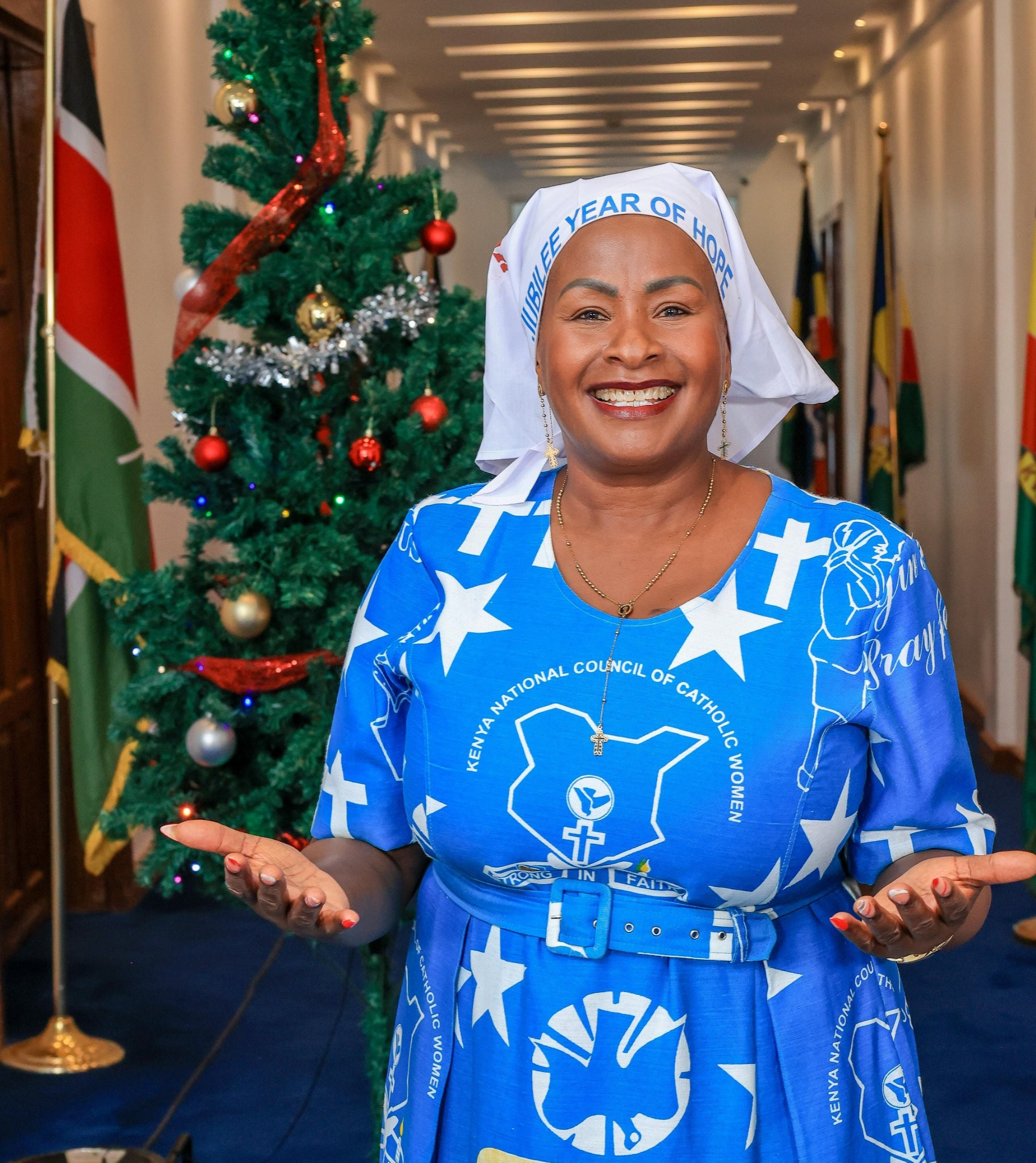
Machakos Governor Wavinya Ndeti has stirred public debate after revealing she worked on an artificial intelligence thesis in 1992, a period when the field was still largely unfamiliar in many parts of the world.
Speaking during a public address, the county boss also pointed to her academic background, saying she holds three degrees and believes this places her ahead of potential challengers eyeing her seat in the next election cycle.
Her reference to artificial intelligence quickly caught attention, especially given that the early 1990s marked a period when the concept was still developing globally, long before today’s widespread use in areas like automation, digital services, and data systems.
By highlighting that academic experience, the governor positioned herself as someone who engaged with emerging technology long before it became mainstream.
During the address, Wavinya did not hold back in responding to critics. She suggested that many professionals questioning her leadership have fewer academic qualifications, adding that leadership should reflect both education and practical results.
Her remarks appeared aimed at individuals preparing for the 2027 race, sending a clear signal that she intends to defend her position strongly.
Beyond academics, the governor pointed to ongoing projects in Machakos County, including improvements in roads, markets, and healthcare facilities.
She emphasised that visible development remains her main strength, arguing that performance on the ground matters more to residents than academic credentials alone.
The comments have triggered varied responses across the county. Some residents welcomed her confidence, saying it shows strong leadership and preparedness.
Others, however, questioned whether academic achievements should be used as a benchmark for leadership, arguing that service delivery should remain the main focus.
Among younger professionals and graduates, the remarks sparked conversations about education standards and expectations in leadership roles.
With the next general election still some time away, political observers see the governor’s remarks as part of early positioning.
By bringing up her academic history, she appears to be drawing a clear distinction between herself and potential rivals, setting the tone for what could become a competitive race.