- National Assembly has passed a Bill to reduce VAT on fuel from 16% to 8%
- The move aims to lower pump prices and ease pressure on households and businesses
- Leaders link high fuel costs to global factors, including Middle East tensions
- Lawmakers are calling for further tax reductions on petroleum products
- The changes are expected to impact the transport, agriculture and manufacturing sectors
Members of Kenya’s National Assembly have approved a key amendment to reduce taxes on petroleum products, offering fresh hope for lower fuel prices.
The Value Added Tax (Amendment) Bill, 2026, now paves the way for VAT on fuel to drop from 16 per cent to 8 per cent. The decision comes amid growing public concern over the rising cost of living, with fuel prices playing a major role in pushing up everyday expenses.
Lawmakers say the move is meant to provide immediate relief to consumers and businesses struggling with high operational costs.
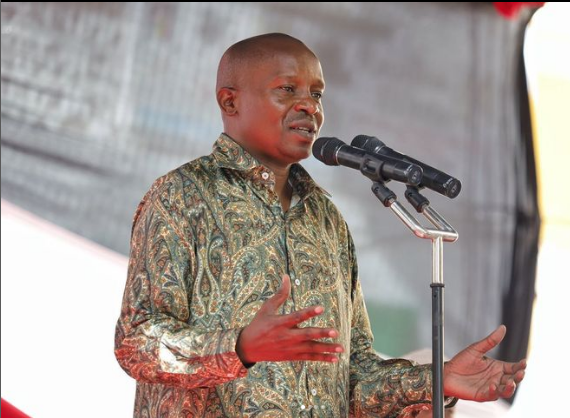
While debating the Bill, Deputy Majority Leader Owen Baya pointed to international factors as the main driver behind the spike in fuel prices.
He explained that Kenya, like many other countries, is affected by global market shifts, especially disruptions linked to geopolitical tensions in the Middle East. These developments have impacted supply chains and driven up the cost of importing petroleum.
According to Baya, the situation required urgent legislative action after existing measures under the VAT law proved insufficient.
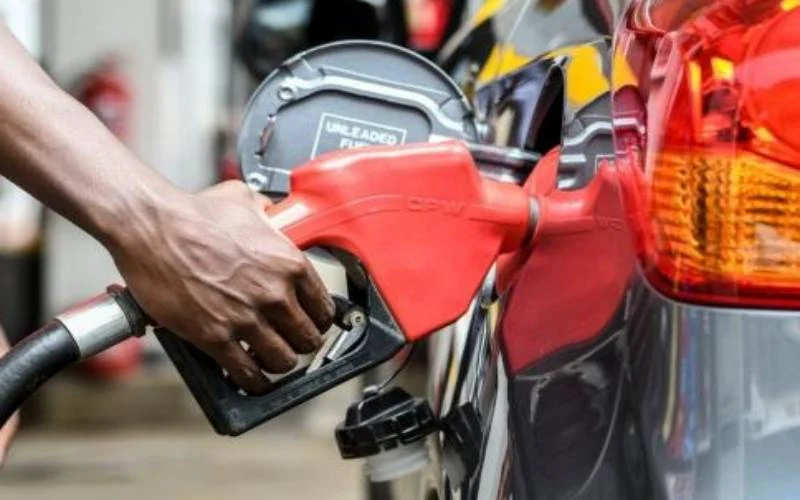
The reduction in VAT is expected to lower the overall cost of fuel imports, which could translate into reduced pump prices.
Sectors heavily reliant on fuel, including transport, agriculture, and manufacturing, are likely to feel the impact first. Lower fuel costs could also help stabilise the prices of basic goods, which have been rising due to high logistics expenses.
Economists often note that even small changes in fuel pricing can have wide ripple effects across the economy.
Despite supporting the Bill, several MPs urged the government to go further and review additional taxes and levies imposed on fuel.
Makali Mulu argued that more needs to be done to make fuel affordable, pointing out that prices in Kenya remain higher compared to some neighbouring countries.
Others raised concerns about long-term solutions, with Moses Kirima calling for faster development of local oil resources to reduce reliance on imports.
Lawmakers also turned attention to how the benefits of the tax cut will be felt by ordinary citizens.
Majimbo Kalasinga urged public transport operators to lower fares once fuel prices begin to drop, warning against delays in passing on the savings.
At the same time, Caroli Omondi called for a closer look at the government-to-government fuel import system, arguing that inefficiencies in the process could undermine price stability.
With the Bill now approved, attention shifts to implementation and how quickly consumers will see changes at the pump.
If successfully rolled out, the VAT reduction could provide some relief in the short term, although leaders agree that deeper reforms may still be needed to address long-term energy costs in Kenya.