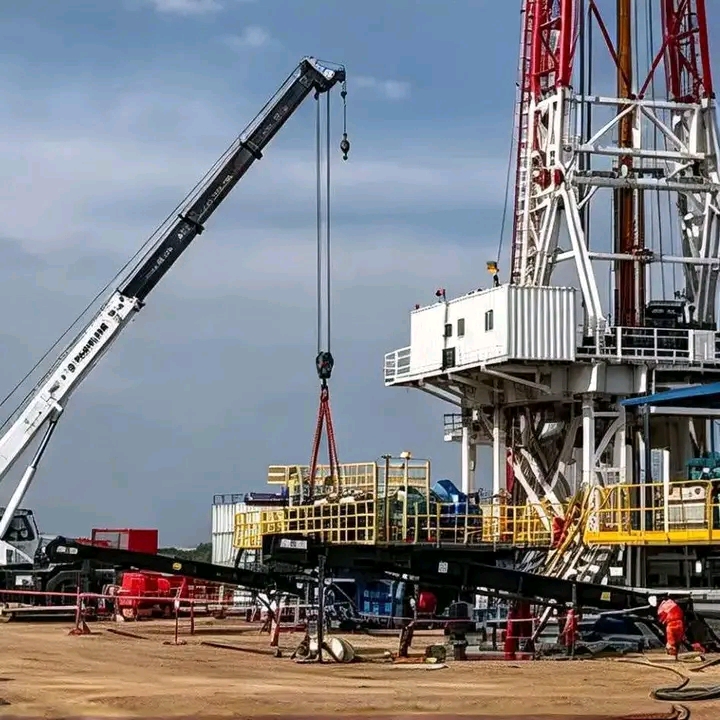
- Kenya has commenced fresh crude oil drilling at the South Lokichar Basin in Turkana County.
- Energy CS Opiyo Wandayi presided over the spudding ceremony at the Amosing 1 well pad on November 20, 2026.
- The first production phase targets 20,000 barrels of crude oil daily, with first oil expected on December 1.
- The National Treasury estimates potential government revenue of between Sh136 billion and Sh371 billion over the project’s lifetime.
- Gulf Energy plans to use approximately 600 trucks to transport crude oil from Turkana to Mombasa.
- The first export shipment is expected to leave Kenya on March 1, 2027.
Kenya has taken another major step towards commercial oil production after fresh drilling operations began in Turkana County, reviving expectations surrounding the long-awaited South Lokichar Basin development.
Energy Cabinet Secretary Opiyo Wandayi presided over the drilling launch at the Amosing 1 well pad on Friday, November 20, 2026. Gulf Energy E&P BV SEZ is undertaking the operation using a GW70 onshore drilling rig leased from China’s Great Wall Drilling Company.
The government has set December 1, 2026, as the target date for the start of initial oil production. The first phase is expected to produce approximately 20,000 barrels per day, marking an important milestone for a project that has faced years of delays and changes in ownership.
Gulf Energy Managing Director Paul Limoh said the company was working towards the agreed timetable and remained committed to delivering the first oil on schedule.
The financial projections surrounding the Turkana oil development have placed the project back in the spotlight, with the National Treasury estimating that Kenya could receive between US$1.05 billion and US$2.9 billion over its lifetime.
At the lower end, the projected earnings amount to approximately Sh136 billion, while the upper estimate translates to about Sh371 billion. The higher figure assumes an international crude oil price of US$70 per barrel, compared with US$60 per barrel in the lower scenario.
The estimates cover direct government earnings through profit-sharing arrangements and participation in the project, alongside indirect revenue expected to benefit state agencies.
Kenya Petroleum Refineries Limited is projected to collect approximately Sh42.3 billion through storage and handling services. The Kenya Ports Authority could also earn an estimated Sh41.9 billion from the use of the New Kipevu Oil Jetty.
These projections are not guaranteed returns. Actual government earnings will depend on international oil prices, the volume of crude produced and the project’s overall performance.
The first phase of the South Lokichar development will focus on the Ngamia and Amosing oilfields, located within Blocks T6 and T7.
The approved development programme targets an initial output of 20,000 barrels per day. Production could later increase to approximately 50,000 barrels daily following expansion and the installation of additional processing infrastructure.
The wider development covers the Ngamia, Amosing, Twiga and Ekales fields, commonly grouped under the name NEAT. The project’s development plan identifies approximately 326 million barrels of recoverable resources, although such estimates depend on technical and commercial assumptions.
Gulf Energy took over the development after earlier investors withdrew from the project. The wider undertaking requires substantial capital investment to develop the oilfields, processing facilities and transportation arrangements needed to sustain production.
With pipeline infrastructure not yet available for the initial production phase, crude oil will be transported by road from Turkana to Mombasa.
Gulf Energy Country Manager Frankline Juma said the company intended to contract approximately 600 trucks for the operation. Of these, 400 slots have been reserved for transporters from communities in the oil-producing region, creating an opportunity for local businesses to participate in the supply chain.
Once the crude reaches Mombasa, it will be stored at Kenya Petroleum Refineries Limited facilities before being exported through the Kipevu Oil Terminal II.
The company expects Kenya’s first shipment of crude from the project to leave the country on March 1, 2027. The road-based arrangement is intended to support the early production phase before alternative transportation infrastructure is considered as output increases.
The national government is also investing in infrastructure to support the development of the oilfields and movement of crude from the region.
Transport Cabinet Secretary Davis Chirchir said more than Sh24 billion had been committed to roads and other infrastructure in the oil-producing area.
The investment is expected to improve access to the fields, support the movement of drilling equipment and crude oil, and strengthen transport links serving communities in Turkana.
Beyond government revenue, the project is expected to generate employment and commercial opportunities through transport contracts, supply services and other activities connected to oil production.
The benefits will depend on how effectively local communities participate in the project and how the government manages the revenue and infrastructure investments.
The start of drilling at Amosing represents a significant stage in Kenya’s efforts to turn its Turkana oil discoveries into commercial production.
The December 1 first-oil target, followed by the planned March 2027 export shipment, will be key milestones for the government and Gulf Energy. The projected earnings could provide a new revenue stream, but the outcome will depend on sustained production, global crude prices and the cost of developing the fields.
For communities in Turkana, the immediate focus will also be on employment, business opportunities and the delivery of infrastructure linked to the project.