- President William Ruto explains why fuel prices in Kenya remain higher than in neighbouring countries
- Kenya currently leads East Africa in petrol and diesel costs after recent price adjustments by EPRA
- The Head of State says Kenya’s infrastructure demands make fuel pricing more complex
- He links higher prices to road construction and maintenance across the country
- Global tensions affecting oil supply have also contributed to price pressures
Kenyans continue to grapple with high fuel costs after recent adjustments placed the country at the top of East Africa’s fuel price rankings. The Energy and Petroleum Regulatory Authority Energy and Petroleum Regulatory Authority had earlier revised pump prices upward, with petrol and diesel seeing sharp increases. The move triggered fresh debate over the cost of living and the factors behind Kenya’s pricing structure.
At present, a litre of petrol in Kenya stands significantly higher than in neighbouring countries such as Uganda, Tanzania, and Ethiopia. While Rwanda also records relatively high prices, Kenya remains the most expensive market in the region. This gap has fueled public concern, especially among motorists and transport operators who rely heavily on fuel for daily operations.
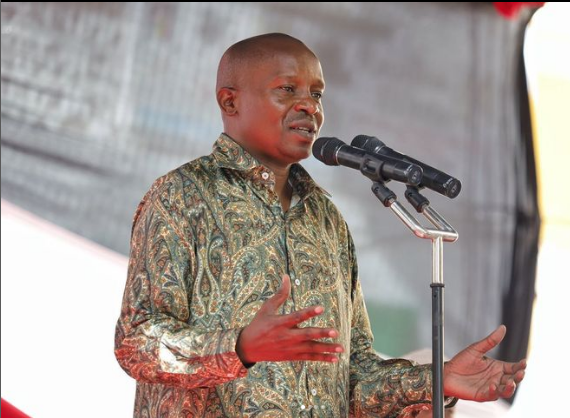
President William Ruto has now come out to defend the situation, arguing that Kenya cannot be fairly compared with its East African neighbours. Speaking during a church service in Nairobi, he said Kenya operates under a different economic structure that influences fuel pricing. According to him, the country’s classification and development level place it in a different category from many of its regional counterparts.
Ruto explained that Kenya should instead be compared with other middle-income economies rather than least-developed nations. He maintained that such comparisons would provide a more realistic picture of fuel pricing dynamics. The Head of State insisted that the differences in national development levels play a major role in how fuel is taxed and distributed.
A major part of the President’s explanation centred on Kenya’s extensive road network and ongoing infrastructure projects. He noted that a significant portion of fuel-related revenue is directed towards building and maintaining roads across the country. This, he argued, makes fuel pricing more complex compared to countries with smaller infrastructure demands.
Ruto highlighted that Kenya currently maintains tens of thousands of kilometres of tarmac roads while also expanding new road projects. He said this level of infrastructure development requires consistent funding, much of which is linked to fuel usage. According to him, Kenya’s transport system is far more demanding than that of many neighbouring states combined.
Recent data shows a clear difference in fuel prices across the region, with Kenya leading at the top. Countries like Tanzania and Uganda continue to enjoy relatively lower prices, while Ethiopia remains the cheapest market. The gap has raised questions among consumers who compare daily costs across borders.
Ruto acknowledged these differences but insisted they must be viewed within the context of national priorities and development needs. He maintained that Kenya’s fuel system supports both economic activity and large-scale infrastructure investment. The government, he said, remains committed to balancing affordability with national development goals.
Beyond local considerations, the President also pointed to international events affecting fuel supply and pricing. He noted that geopolitical tensions involving major global players have disrupted oil markets. These disruptions, he said, have contributed to the volatility seen in local pump prices.
With both domestic infrastructure demands and global uncertainties at play, fuel pricing remains a sensitive issue. Kenyans continue to feel the pressure at the pump, even as the government defends the broader economic reasoning behind the costs.