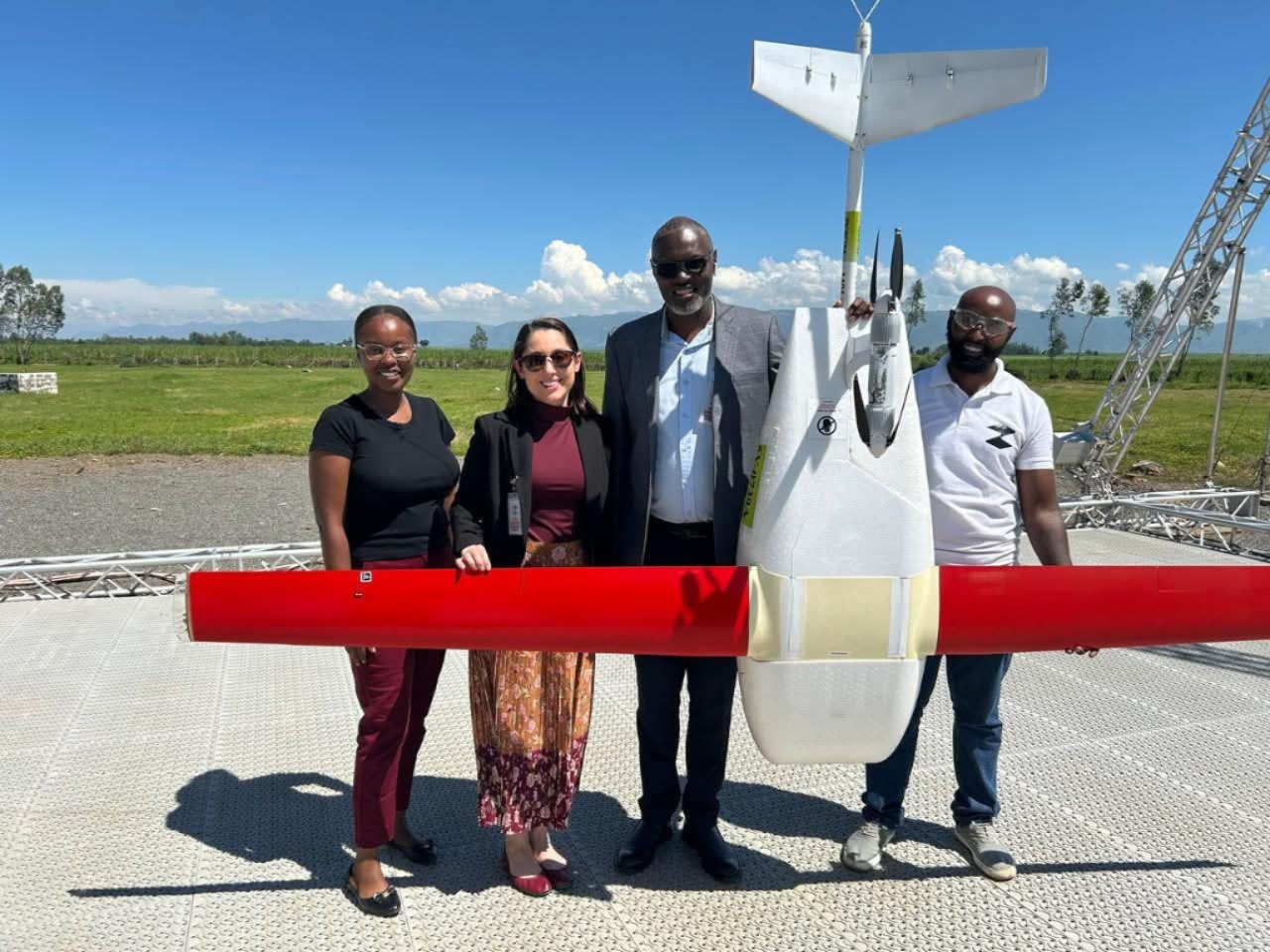
- Kisumu County launches drone system to deliver blood and emergency medical supplies
- Initiative targets remote areas with delayed road access to hospitals
- Governor Anyang’ Nyong’o says project will reduce treatment delays in critical cases
- Drones are now transporting blood units, drugs, and essential health commodities
Kisumu County has rolled out a new drone-based medical delivery system aimed at improving access to emergency healthcare in hard-to-reach areas.
The programme is designed to speed up the transportation of blood for transfusions, essential drugs, and other critical medical supplies where road access is slow or unreliable.
Governor Anyang’ Nyong’o said the initiative is part of the county’s broader push to strengthen service delivery, especially in life-threatening situations where every minute counts.
He noted that delays in accessing medical supplies have often contributed to preventable deaths, and the new system is meant to close that gap.
According to the governor, the use of drones reflects a commitment to ensuring that no patient is denied urgent care due to logistical challenges.
The project is being implemented through the county’s Department of Medical Services under the leadership of CECM Greg Ganda.
Health officials say the drones are currently being used to transport blood units, emergency medicines, and other essential health commodities directly to health facilities in underserved regions.
By bypassing road congestion and poor infrastructure, the system significantly cuts delivery time compared to traditional transport methods.
The drone programme is not operating in isolation but is integrated into the county’s wider emergency response system.
Kisumu County already runs free ambulance services, and officials say combining both systems strengthens the overall speed and efficiency of emergency care.
This integration allows hospitals and emergency teams to respond faster to critical cases across the county.
Health experts say the introduction of drone logistics could be a game-changer, especially in maternal emergencies, trauma cases, and severe blood loss situations where delays can be fatal.
Communities in remote areas have reportedly welcomed the initiative, noting improved response times and easier access to essential medical support.
The move places Kisumu County among a growing number of regions across Africa adopting technology-driven solutions to bridge healthcare gaps.
Across the continent, drone and digital delivery systems are increasingly being used to improve access to medical supplies in rural and underserved populations.
Officials believe this shift will continue to reshape emergency healthcare delivery and improve survival outcomes in critical cases.