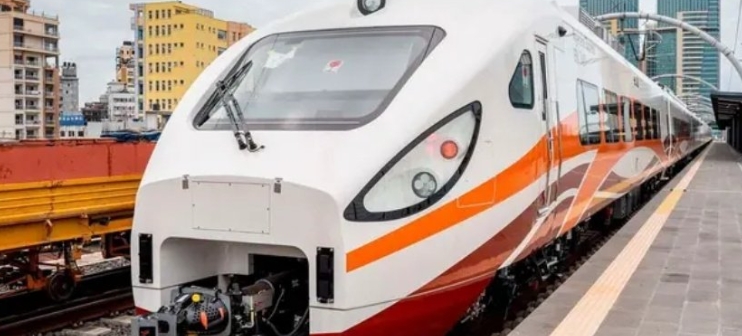
- Kenya plans to extend the Standard Gauge Railway (SGR) from Naivasha to Kisumu and onwards to Malaba starting in March 2026.
- The government will not seek additional Chinese funding, aiming to finance the project independently.
- Financing will rely on securitising the railway levy, expected to raise to $4 billion (KSh 515 billion).
- The final phase from Suswa to Kisumu and Malaba is estimated to cost $5 billion (KSh 643.6 billion).
Kenya is set to push forward with the extension of the SGR line from Naivasha to Kisumu and Malaba without relying on new loans from China. The project, which stalled after Chinese funding ended in 2019, aims to complete the 369-kilometre railway that currently only reaches just past Naivasha.
Transport Cabinet Secretary Davis Chirchir emphasised that the government is determined to finish the railway without adding to Kenya’s debt burden. “We are determined to finish the railway without accruing additional debt,” he said, reassuring taxpayers that the project will rely on domestic financial mechanisms.
The government plans to securitise the railway levy, a strategy expected to generate up to $4 billion (KSh 515 billion) to fund the extension. According to Treasury records, the 2% import tax is projected to raise KSh 41 billion by June 2026, providing a reliable source of backing for the project.
This approach marks a shift from previous reliance on Chinese loans and reflects Nairobi’s attempt to manage debt more sustainably. Last year, Kenya reduced annual debt servicing costs by $215 million (KSh 27.7 billion) by converting existing dollar-denominated railway loans into yuan, with a four-year interest-only grace period.
The final leg of the railway, stretching from Suswa to the lakeside city of Kisumu and onward to Malaba on the Ugandan border, is estimated to cost $5 billion (KSh 643.6 billion). Once completed, it will be Kenya’s largest infrastructure project since independence in 1963.
Officials highlight that the project is part of a broader effort to improve domestic infrastructure while maintaining financial independence from external creditors.
The International Monetary Fund has repeatedly cautioned that Kenya faces significant risks of a debt crisis due to rising borrowing and limited revenue. China remains Kenya’s largest bilateral creditor, with over $1 billion (KSh 129 billion) spent annually on servicing debt.
Treasury Cabinet Secretary Joh Mbadi noted that China has expressed concerns about the securitisation of the railway levy, originally designated to service Chinese loans. Despite this, the government plans to proceed with the initiative under President William Ruto’s administration.
The SGR extension signals a bold step toward infrastructure growth while seeking to avoid overreliance on foreign financing. By tapping domestic revenue streams and securitising the railway levy, Kenya aims to balance large-scale development with debt management, even as the government navigates global and domestic economic pressures.