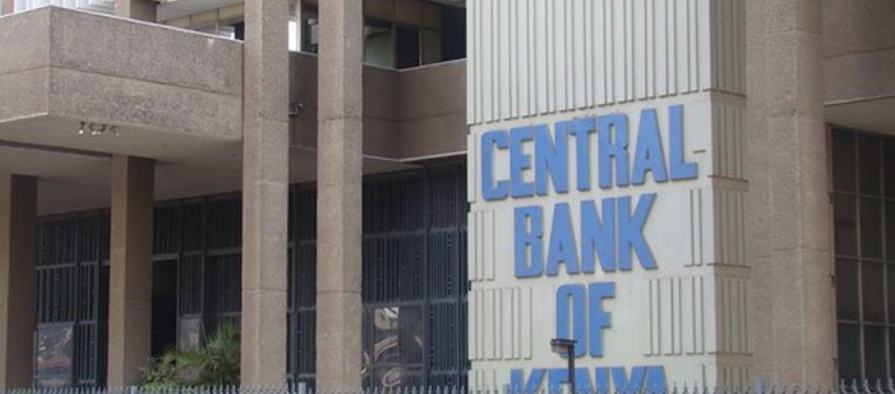
- 11 commercial banks were fined by the Central Bank of Kenya (CBK).
- Offences include exceeding lending limits, weak capital buffers, and risky investments.
- Names of the affected banks have not been revealed.
- Action aims to protect depositors and strengthen financial stability.
- Analysts see this as a warning shot to the entire banking sector.
- Banks are now expected to fix risk management and governance gaps.
The Central Bank of Kenya has fined 11 banks for going against important banking rules. The violations ranged from giving loans beyond the allowed limits to not keeping enough capital as protection against shocks.
Investigations found that some lenders issued loans bigger than what is allowed compared to their core capital, while others ignored the required safety buffers. CBK says these safeguards are crucial to keep the banking system stable and protect customer deposits.
Apart from lending breaches, some banks were also punished for putting too much money in risky or wrongly aligned investments. These actions went against prudential rules meant to ensure banks manage assets responsibly.
The penalties affect both large and medium-sized banks, but CBK has chosen not to release their names publicly.
Financial experts believe this move is a reaction to repeated violations in recent years and the growing risks in the economy. In the past, CBK had fined banks for exceeding the 25% single borrower limit or letting their core capital drop below required levels.
This time, CBK wants banks to reduce their risk-taking and follow the broader goal of financial stability. The fines are also meant to show the public that the regulator is serious about keeping banks in check.
With the fines now issued, affected banks are expected to quickly adjust by fixing their balance sheets, reducing risky lending, and changing their investment strategies.
The move is also likely to push banks to upgrade their risk management, improve governance, and strengthen compliance systems. While the penalties may cut into profits in the short term, experts say it’s a necessary step for a stronger, safer banking sector in Kenya.