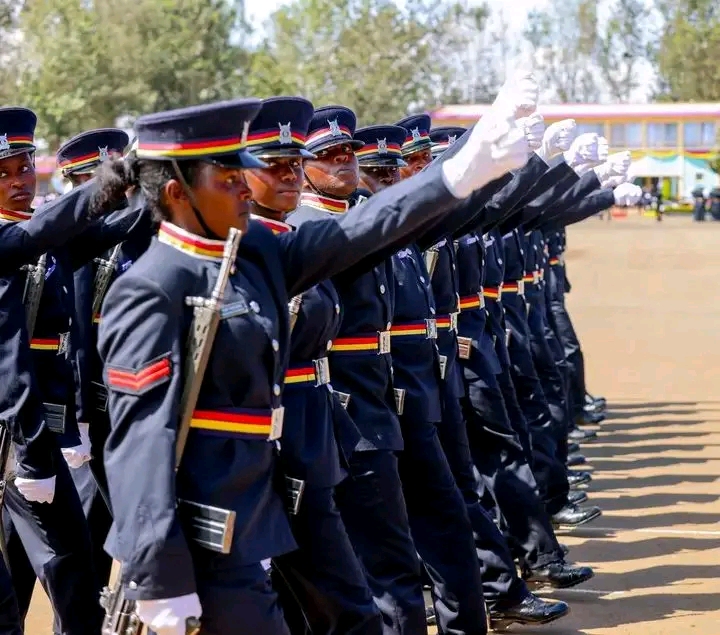
- The National Police Service has opened applications for graduate police cadets.
- The application period runs from November 25 to December 10, 2026.
- Applicants must be Kenyan citizens aged between 22 and 30 years.
- A recognised undergraduate degree and a minimum KCSE mean grade of C+ are required.
- Shortlisted candidates are expected to be announced by January 7, 2027.
- Applications must be submitted online and the recruitment process is free.
The National Police Service (NPS) has invited qualified university graduates to apply for recruitment into its police cadet programme, giving interested candidates until December 10, 2026, to submit their applications.
The exercise officially opened on Wednesday, November 25, following a notice signed by Inspector General of Police Douglas Kanja Kirocho. The service plans to publish the list of shortlisted applicants by January 7, 2027.
The recruitment targets Kenyan graduates from different academic backgrounds who meet the stipulated education, age, integrity and physical fitness requirements. The service has also identified several professional fields that could give applicants an added advantage during the selection process.
According to the recruitment notice, applicants must be Kenyan citizens aged between 22 and 30 years and possess a valid national identity card.
Candidates are required to hold at least an undergraduate degree from a recognised university or institution. They must also have attained a minimum KCSE mean grade of C+, including at least a C+ in English or Kiswahili.
Applicants whose professions require registration with statutory regulatory bodies must have valid registration with the relevant organisations. The service will also consider whether candidates meet the leadership and integrity standards outlined in Chapter Six of the Constitution.
Other conditions include physical and medical fitness, as well as having no criminal convictions or pending criminal charges. Female candidates must not be pregnant during recruitment or at any point throughout the cadet training programme.
Although graduates from different disciplines can apply, the National Police Service has highlighted specialised academic and professional qualifications that may strengthen an applicant’s prospects during selection.
The priority areas include forensic science, medicine and surgery, pharmacy, nursing, medical laboratory technology and counselling psychology. Other listed fields are engineering, law, journalism and media communication, veterinary medicine, statistics and data analysis.
The notice also identifies education and training, alongside music, among the areas that may receive special consideration.
These qualifications are intended to support the service’s need for specialised skills across its various operations and professional departments.
How to Apply for the Police Cadet Recruitment
Interested candidates must submit their applications through the official National Police Service recruitment portal at recruitment.nationalpolice.go.ke. Applications can also be accessed through the News and Events section of the service’s website at www.nationalpolice.go.ke.
Applicants are required to upload copies of both sides of their national identity cards, academic and professional certificates, as well as school leaving certificates. They should ensure that all the required documents are available before submitting their applications.
The application window closes on Thursday, December 10, 2026. Only candidates who make the shortlist will be contacted to attend physical interviews scheduled by the service.
Inspector General Warns Against Recruitment Scams
Inspector General Douglas Kanja has cautioned applicants against individuals who may demand money in exchange for recruitment opportunities.
The National Police Service has emphasised that the exercise is free and open to all Kenyans who satisfy the requirements. Applicants have been urged not to pay brokers or anyone claiming to have influence over the selection process.
Members of the public can report bribery and other recruitment-related malpractice through emergency services or the Directorate of Criminal Investigations hotline on 0800 722 203.
The service has encouraged qualified graduates to use the official application channels and avoid unauthorised recruitment agents.