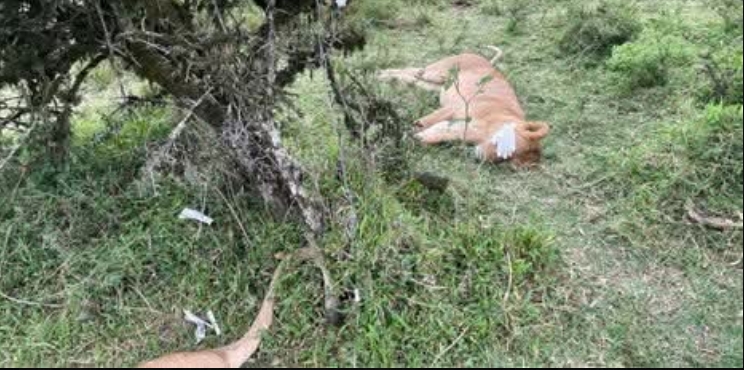
- Ten lions were found dead in the Ndutu area of Tanzania’s Ngorongoro Conservation Area.
- Preliminary findings indicate that poisoning may have caused the deaths.
- Tanzania’s wildlife authorities have opened investigations into the incident.
- No suspects had been identified or arrested when the initial statement was issued.
- The deaths have renewed concerns over human-wildlife conflict and poisoning of predators in East Africa.
Tanzania is investigating the deaths of 10 lions discovered in the Ngorongoro Conservation Area, with early findings pointing to possible poisoning. The animals were found on Friday in the Ndutu area of Endulen Ward in the Arusha Region. The Ngorongoro Conservation Area Authority (NCAA) confirmed the deaths in a statement issued late Saturday. Investigators are now working to determine what caused the deaths and whether the animals were deliberately poisoned.
The NCAA said preliminary investigations suggest the lions may have died after consuming poison. The authority has not disclosed the substance suspected to have been involved. It has also not named any person or group as responsible for the deaths. Further examination is expected to provide more information about what happened to the animals.
Ndutu incident raises conservation concerns
The deaths have renewed attention on the dangers faced by large carnivores in areas where wildlife and communities live close to each other. Lions can come into conflict with livestock owners when they prey on cattle, goats and other domestic animals. Such encounters can sometimes lead to retaliatory killings, including the use of poisonous substances. Conservation groups have previously raised concerns about the impact of such practices on predator populations.
The Ngorongoro Conservation Area is one of Tanzania’s most important wildlife regions and is recognised as a UNESCO World Heritage Site. Its ecosystem supports a wide range of wildlife, including lions, elephants, buffaloes and the critically endangered black rhinoceros. The area also plays an important role in Tanzania’s tourism sector. The loss of 10 lions in a single incident therefore raises concerns beyond the immediate deaths of the animals.
The latest incident follows another suspected poisoning case involving lions in the wider Kenya-Tanzania border region. In January, Kenya-based conservation organisation Lion Guardians reported the deaths of six lions in a separate incident. Around 30 dead vultures were also reportedly found at the location, a development cited as an indication that poison may have been involved.
The two incidents are separate, and there is no indication that the deaths reported in Ngorongoro are connected to the earlier case. Investigators in Tanzania have yet to establish the exact circumstances surrounding the latest deaths. The absence of a confirmed poison or identified suspects means the motive and responsibility remain unclear. Authorities are expected to release more information once the investigation advances.
The latest lion deaths have also been reported amid a separate wildlife investigation on the Kenyan side of the border. Kenyan police recently arrested four suspects following the deaths of 18 elephants. The case is being investigated independently from the suspected poisoning of the lions in Tanzania. No link between the two incidents has been established.
Wildlife authorities across the region continue to face challenges linked to human-wildlife conflict. The use of poison can affect not only the intended target but also scavengers and other animals that consume contaminated carcasses. Conservation efforts therefore focus on reducing conflict while protecting wildlife populations. The latest deaths are likely to add to those concerns as investigators establish exactly what happened in Ndutu.
The NCAA has not announced any arrests linked to the deaths of the 10 lions. Authorities are expected to establish the cause of death through further investigations and determine whether poisoning was deliberate. They will also need to establish where the suspected poison came from and how the lions came into contact with it.
For now, the deaths remain under investigation, with the NCAA yet to provide details on suspects or the substance involved. Further findings could clarify whether the incident was linked to human-wildlife conflict or another cause. Conservation officials are expected to issue additional information as the inquiry progresses.