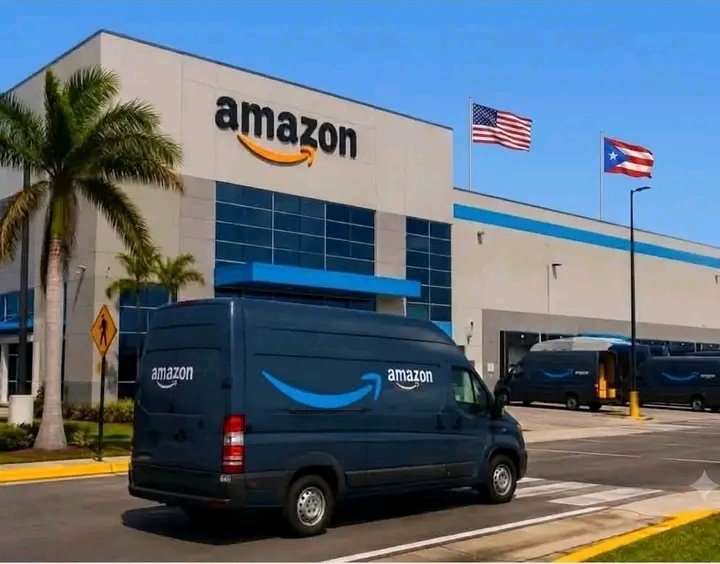
- Amazon has confirmed it is financing a large private gas-fired power project in Pecos County, Texas, to support its AI data center operations.
- Permit documents indicate the plant could generate 7.65 gigawatts, making it larger than any gas plant currently operating in the United States.
- The project has drawn criticism from environmental analysts because of its potential greenhouse gas emissions and local air pollution impacts.
- Amazon says the facility will initially operate with on-site power generation and later connect to the electricity grid when transmission capacity becomes available.
- The development reflects a wider trend of technology companies building their own power sources to meet rapidly rising AI electricity demand.
Amazon has confirmed it is financing a large private gas-fired power project in Texas that will supply electricity to a new artificial intelligence data center campus, intensifying debate over the environmental cost of the AI boom.
The company said the planned facility in Pecos County will initially rely on on-site power generation before eventually connecting to the grid when transmission timelines allow. Amazon argues that building dedicated generation capacity helps prevent the cost of new infrastructure from being passed on to ordinary electricity customers.
The project, known as GW Ranch and being developed by Pacifico Energy, was linked to Amazon after construction permits for data centers were filed this week. Cleanview, a market intelligence firm, said satellite imagery and permit records connected the data center development to the power plant.
Documents previously submitted for the project show plans for 35 gas turbines with a combined capacity of 7.65 gigawatts. That would make it larger than any gas-fired power plant currently operating in the United States.
For comparison, a separate 9.2-gigawatt project planned in Ohio involving SoftBank is expected to connect to the public grid while also serving a data center campus.
Permit filings indicate the Texas plant could be authorized to emit more than 30 million metric tonnes of greenhouse gases annually. Environmental experts note that permitted levels do not necessarily reflect actual operating emissions, but the figures have still drawn significant attention.
John Rogers, an energy analyst with the Union of Concerned Scientists, said many of the proposed on-site gas projects are not using the most efficient available technologies. He warned that efficiency choices affect both climate emissions and local air quality.
Natural gas produces less carbon dioxide than coal when burned, but gas infrastructure can also release methane, a powerful greenhouse gas. Gas plants additionally emit nitrogen oxides, fine particulate matter and other pollutants linked to respiratory and cardiovascular disease.
In a statement, Amazon said it believes companies should bear the full cost of powering their operations. The company said the Pecos County campus is designed to avoid increasing electricity bills for Texas households while new grid connections are being developed.
Amazon added that it is exploring solar power and battery storage opportunities at the site. The company also said it plans to use non-potable brackish groundwater rather than drinking water supplies.
The company reiterated its commitment to reaching net-zero carbon emissions by 2040 through The Climate Pledge and said it has supported dozens of carbon-free energy projects in Texas totaling nearly 10 gigawatts of capacity.
The announcement highlights how rapidly rising AI electricity demand is changing energy investment decisions across the technology sector. Data centers used for AI training and cloud computing consume far more power than traditional computing facilities, forcing companies to secure large amounts of reliable electricity.
The International Energy Agency has projected that global electricity demand from data centers could more than double by 2030, with AI becoming one of the fastest-growing drivers of power consumption.
Industry analysts say companies including Meta, Microsoft and Oracle are also pursuing dedicated energy projects to support expanding AI infrastructure.
Building private power facilities directly connected to data centers was once relatively uncommon. The model gained wider attention after Elon Musk’s xAI deployed mobile gas turbines for its Memphis data center in 2024.
Cleanview estimates that about two gigawatts of behind-the-meter power generation is currently operating in the United States, with roughly 97 gigawatts of proposed projects involving major cloud and AI companies.
If many of those projects are built and operate extensively, researchers say the combined carbon emissions could become substantial, potentially rivaling the annual emissions of some countries.
Supporters of private generation argue that it allows faster data center deployment and reduces pressure on already constrained power grids. Critics counter that large new fossil-fuel projects could lock in emissions for decades at a time when governments and companies are pledging deeper climate cuts.
The Texas project now sits at the center of that debate, illustrating the tension between the rapid expansion of artificial intelligence infrastructure and efforts to reduce greenhouse gas emissions.
State regulators will continue reviewing permits for the plant and related facilities as construction planning advances in West Texas.