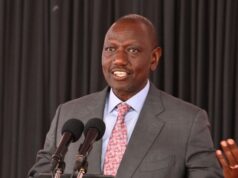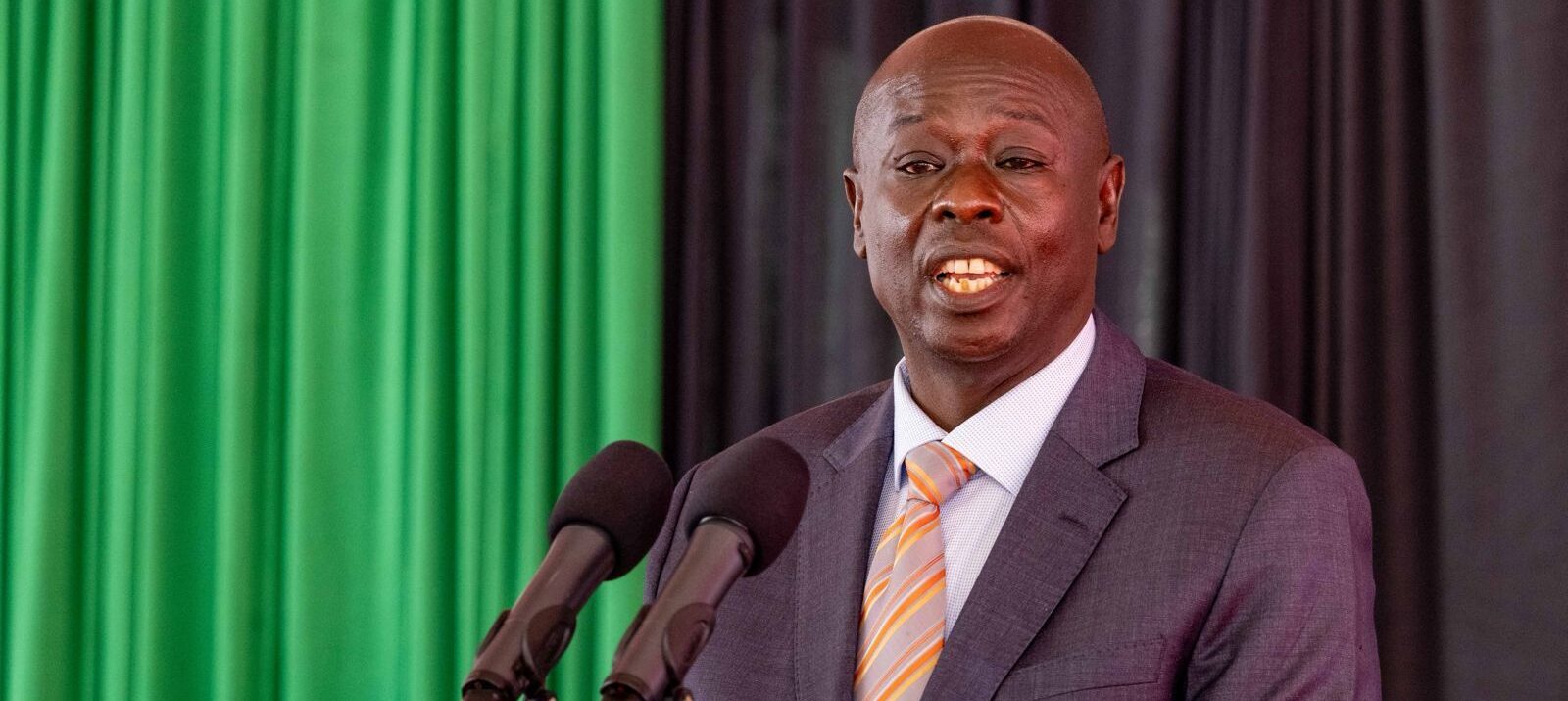
- Rigathi Gachagua says he receives information from civil servants, police officers, NIS personnel and parastatal employees.
- He insists that he verifies intelligence before making public statements.
- Gachagua says inaccurate claims would damage his credibility with Kenyans.
- He also says protecting the identities of his sources is essential.
Former Deputy President Rigathi Gachagua has opened up about how he obtains information on government affairs, saying he relies on a broad network of contacts within public institutions and only speaks after confirming the facts.
Gachagua made the remarks during a podcast interview with political analyst Herman Manyora on Friday night. He said the information he receives comes from individuals working across different government departments and security agencies.
According to Gachagua, his contacts include civil servants, police officers, National Intelligence Service personnel and employees in state corporations. He said the network provides him with insights into government operations and decision-making processes.
The former deputy president explained that he does not rush to publish or discuss information immediately after receiving it. Instead, he said he conducts extensive cross-checking before making any public claims.
Gachagua argued that maintaining accuracy is critical because misleading Kenyans would damage his reputation and public trust.
During the interview, Gachagua said he has instructed his contacts to share only information that can be independently verified. He stated that preserving his credibility is a shared responsibility between him and the people who provide him with intelligence.
He added that verification helps him avoid making statements that could later be proven false. According to him, public confidence depends on consistency and factual accuracy.
Gachagua also spoke about the importance of safeguarding the identities of those who provide him with information. He said protecting sources is necessary for maintaining trust and ensuring that people continue sharing information with him.
Political analysts say source protection is a common practice in political and investigative communication, although claims made by politicians are often difficult to independently verify without supporting evidence.
Since his fallout with President William Ruto’s administration, Gachagua has increasingly used media interviews, podcasts and political rallies to discuss government affairs. Many of his recent public appearances have focused on alleged internal operations within the Kenya Kwanza administration.
The latest remarks come amid continuing political tensions between Gachagua and senior figures in government. The former deputy president has positioned himself as one of the most vocal critics of the administration since leaving office, and his statements continue to attract significant public attention.