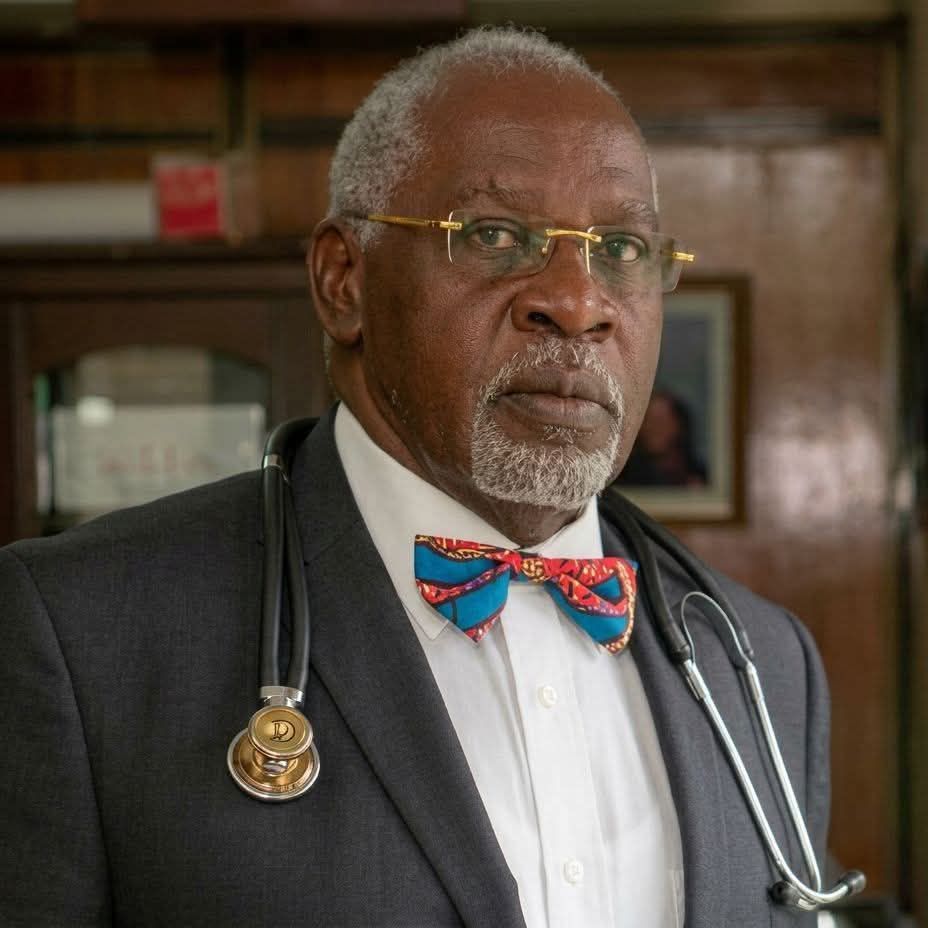
- Renowned gynaecologist Job Obwaka has passed away at the age of 83.
- He died at The Nairobi Hospital, where he served for many years.
- His death comes weeks after a controversial arrest linked to hospital board disputes.
- Medical professionals and patients have paid tribute to his decades of service.
- Concerns remain over governance wrangles that surrounded his final months.
Kenya’s medical community is mourning the loss of Job Obwaka, a respected specialist who spent decades caring for mothers and newborns. He passed away at The Nairobi Hospital, the same institution where he built much of his career. His family confirmed the news, marking the end of a long and impactful journey in medicine.
Obwaka was widely known for his calm approach and deep experience in obstetrics and gynaecology. Over the years, he assisted countless women through pregnancy and childbirth. Many young doctors also benefited from his mentorship, as he quietly helped shape the next generation of medical professionals.
Beyond clinical work, Obwaka also took on leadership responsibilities at the hospital. He served as board chairman during a period marked by internal disagreements over management and ownership matters. These disputes often attracted public attention and raised questions about governance within the institution.
Despite the challenges, he remained a key figure in guiding the hospital. His role required balancing professional standards with complex administrative demands. Colleagues say he handled these pressures with patience and experience built over many years.
In his final weeks, Obwaka’s health deteriorated following a controversial arrest linked to boardroom disputes. He was detained alongside other officials over allegations tied to governance issues. The claims were strongly denied by the veteran doctor, who maintained his innocence.
The situation took a worrying turn when he became ill while at court. He was rushed back to The Nairobi Hospital for treatment after collapsing. Those close to him say the stress surrounding the case may have contributed to his declining condition.
The incident drew concern from groups such as the Kenya Medical Practitioners, Pharmacists and Dentists Union, which questioned the manner of his arrest. The union argued that the handling of the situation was troubling, especially considering his age and long service in the profession.
Many in the sector felt the case highlighted broader issues affecting senior professionals caught in institutional disputes. The events sparked debate about how such matters should be handled going forward.
Following news of his death, tributes have continued to flow from colleagues, former patients, and friends. Many have described him as a dedicated doctor who always placed patient care first. Others remembered him as a humble leader who preferred to work quietly behind the scenes.
His contribution to maternal healthcare in Kenya has been widely acknowledged. Over more than five decades, he played a role in improving standards and supporting families during critical moments. His legacy is expected to live on through those he trained and served.
Obwaka’s passing has also left unanswered questions regarding the ongoing disputes at the hospital. It remains unclear how the legal matters involving board members will proceed. Observers say the situation calls for reflection within the institution.
His family confirmed that he passed away peacefully while receiving treatment. Funeral arrangements are now underway, with many in the medical field expected to attend. As Kenya reflects on his life, he is remembered as a quiet but powerful figure in healthcare.