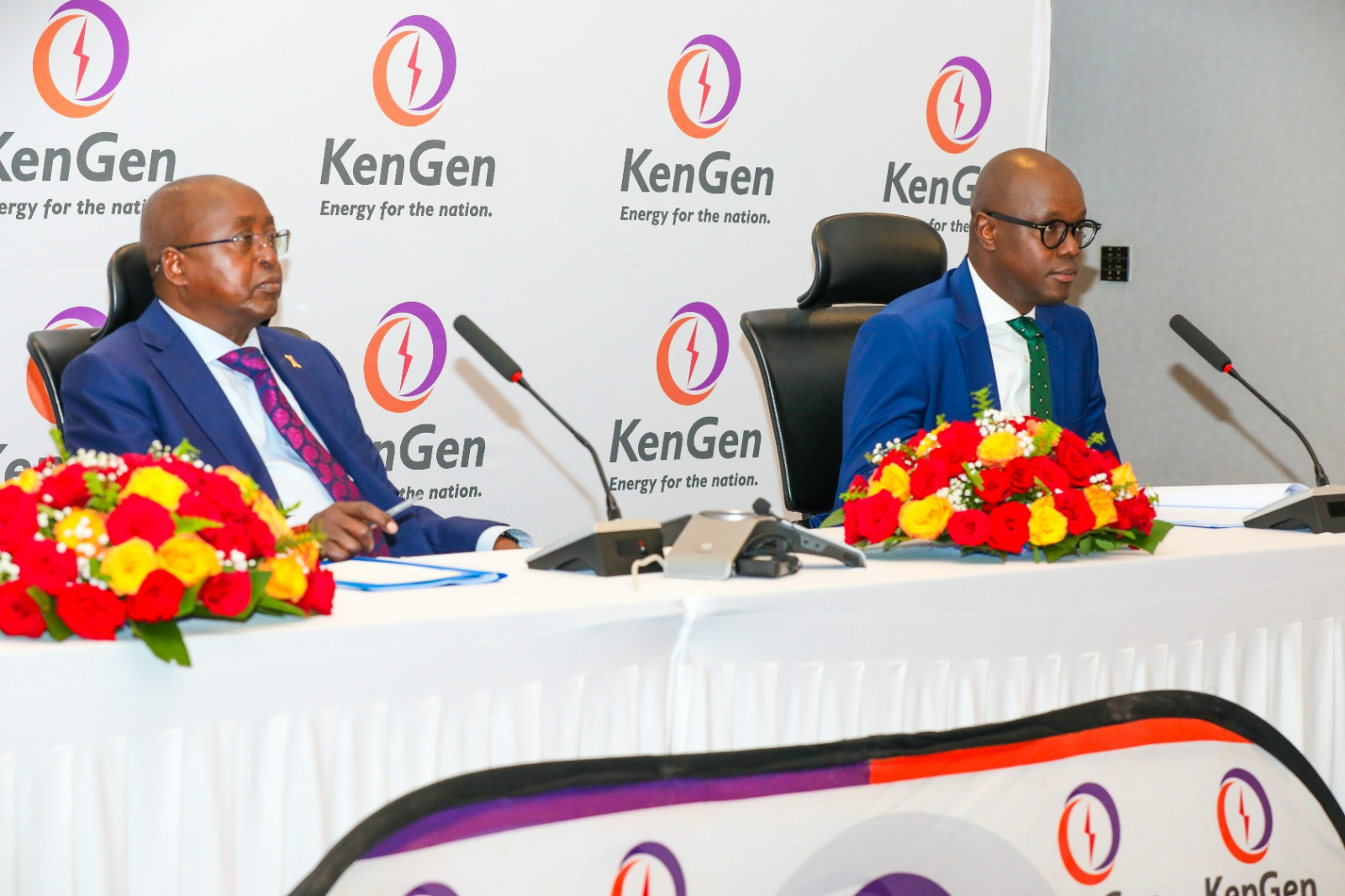
- Kenya Electricity Generating Company reports stronger hydropower output after heavy rains raised dam levels.
- Electricity generation from hydro plants has exceeded recent targets due to improved water inflows.
- Key dams under the Seven Forks system are now sitting at healthy operating levels.
- Reduced use of thermal power could ease electricity costs for households and businesses.
- Officials say safety measures are in place to manage rising water levels and avoid flooding risks.
Kenya Electricity Generating Company has reported improved electricity generation following weeks of sustained rainfall across major catchment areas. The company says hydropower plants are now producing more electricity than earlier projections. This increase has been driven by rising water levels in key dams. It has also strengthened stability on the national grid.
On April 28, hydro stations generated 11.7 million kilowatt-hours against a planned target of 10.95 million. The Eastern Hydros contributed the largest share of this output. This performance marks one of the stronger production periods in recent months. It reflects improved weather conditions across the country.
Water levels in major reservoirs within the Seven Forks system have continued to rise steadily. Masinga Dam was recorded at 1,056.54 metres, while Kamburu stood at 1,006.07 metres. Gitaru and Kindaruma dams also maintained safe operating levels. All reservoirs remain above the minimum required thresholds.
Officials say the current inflows are a direct result of consistent rainfall. The system is now operating close to optimal capacity. Engineers are closely monitoring the situation to maintain balance. The focus remains on safe and efficient water use.
Energy officials have suggested that improved hydro generation could ease pressure on electricity prices. Hydropower remains one of the cheapest sources of electricity in the country. With higher output, reliance on thermal plants is expected to drop. This shift could help reduce overall generation costs.
A senior official, Ahmed Issack, noted that strong reservoir levels currently average about 99 per cent of capacity. He said this position allows the country to maximise renewable energy use. It also reduces dependence on more expensive fuel-based power. If conditions remain stable, consumers could benefit from lower tariffs in the future.
While the situation is positive for power generation, there are concerns about rising water levels downstream. Communities living near the river systems have expressed caution about possible flooding. However, officials insist that safety measures are in place. They say controlled management of water releases is ongoing.
Engineers at Kenya Electricity Generating Company are actively managing reservoir levels to avoid uncontrolled spillages. The goal is to maintain a balance between power generation and public safety. Monitoring systems have been reinforced as inflows continue to rise. Authorities say the situation remains under control.
KenGen has an installed generation capacity of 1,786 megawatts, with the majority coming from renewable sources. Hydropower contributes 826 MW, geothermal 754 MW, and wind energy 25.5 MW. This mix continues to support Kenya’s green energy agenda.
The improved hydro performance is expected to strengthen this renewable energy foundation. It also supports long-term efforts to stabilise the electricity supply. If sustained, the current trend could ease pressure on consumers and support more predictable power costs.