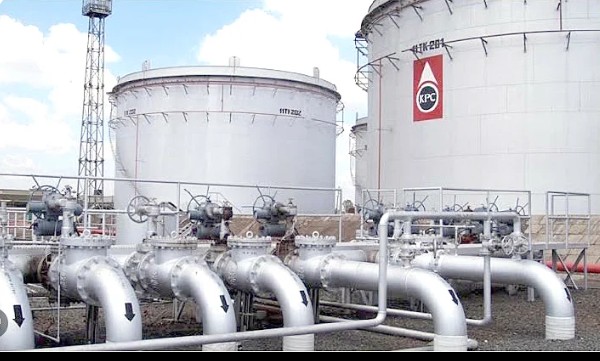
- Kenya Pipeline Company has officially been removed from state entity classification.
- The decision follows a successful IPO that reduced government ownership to 35 per cent.
- The company is now fully listed and trading on the Nairobi Securities Exchange.
- Its core role in transporting petroleum products across the region remains unchanged.
- The move marks a major change in oversight, shifting KPC from state control to market regulation.
The National Treasury has taken a significant step by removing Kenya Pipeline Company from the list of state corporations, officially ending its long-standing status as a fully government-controlled entity. The announcement was made through a legal notice dated April 22, 2026, signed by Treasury Cabinet Secretary John Mbadi. The decision marks one of the most important structural changes in Kenya’s public enterprise sector in recent years. It effectively signals a new era in how the company will be managed moving forward.
The notice stated that the revocation was carried out under the Public Finance Management framework, confirming the legal basis for the move. This change follows the completion of a major privatisation process that reshaped the company’s ownership structure. With this development, KPC now transitions from full state oversight to a market-driven corporate model.
The transformation was triggered by a successful Initial Public Offering that saw the government reduce its stake in the company significantly. Through the listing at the Nairobi Securities Exchange, 65 per cent of shares were sold to both institutional and individual investors. Trading of the company’s shares officially began in March 2026, marking its entry into the public market.
Following the IPO, the government now retains a minority stake of 35 per cent, down from full ownership since the company’s establishment in the 1970s. Before the listing, the company was restructured into a public limited company to align with capital market requirements. This shift has placed KPC among Kenya’s most notable state-linked firms to undergo a full public listing.
Despite the major ownership shift, the company’s operational role remains unchanged. Kenya Pipeline Company will continue to transport petroleum products efficiently across Kenya and the wider East African region. Authorities emphasised that service delivery, safety, and reliability will remain at the centre of its operations. The company is expected to maintain its strategic importance in the regional fuel supply chain.
However, the change in status means KPC will now operate under a different regulatory environment. It will no longer be subject to strict government financial controls that apply to fully state-owned institutions. Instead, it will be guided by market rules and corporate governance standards applicable to listed companies.
The Treasury maintained that the entire privatisation process followed all required legal procedures. According to officials, the transition complied with the Privatisation Act, capital markets regulations, and listing requirements. This was meant to ensure transparency and protect investor confidence during the process.
The government also stressed that the shift is part of broader reforms aimed at improving efficiency in public enterprises. Officials argue that private sector participation will enhance accountability and performance. The listing is therefore being presented as a structured and lawful economic reform rather than a sudden policy shift.
The development comes at a time when Kenya is facing pressure from rising fuel prices, partly driven by global instability. The government has linked some of the increases to external shocks affecting energy markets worldwide. This has placed added attention on institutions involved in the petroleum supply chain.
At the same time, questions have been raised about the role of key infrastructure players in determining fuel distribution dynamics. Critics argue that changes in ownership structures could influence how costs are passed to consumers. With KPC now operating as a listed company, stakeholders will be watching closely to see how the shift affects pricing, efficiency, and overall market stability.