- NYOTA project beneficiaries staged night protests in Kisii over reduced payments during training sessions.
- Youths claim they were promised KSh1,000 daily but received only KSh300, sparking anger and frustration.
- Some participants say they travelled long distances for training, only to face payment confusion and delays.
- The government maintains the NYOTA rollout is ongoing nationwide with thousands of trainers deployed.
- The programme targets over 820,000 vulnerable youth for skills, business support and financial empowerment.
A group of youths under the National Youth Opportunities Towards Advancement (NYOTA) programme caused tension in Kisii after staging overnight protests over what they described as unfair and unclear stipend payments. The demonstrations broke out on Tuesday night and continued for several hours as frustrations grew among the participants. Many of them had been gathered at a primary school in Nyaribari Chache, where the training sessions were being conducted. The situation escalated as the youths demanded immediate clarity and full payment from programme officials.
The anger among the participants was mainly driven by claims that promised allowances were not honoured. According to several youths, they were expecting KSh1,000 per day as part of the programme support. Instead, they say they were only handed KSh300, which triggered outrage and confusion. The protests reportedly began around 8 PM and went on until midnight as they sought answers from organisers.
One of the beneficiaries, Abraham Wafula, voiced strong concerns over what he described as ongoing communication breakdowns within the programme. He explained that delays and unclear instructions had become a recurring issue since the training began. Wafula said officials had earlier blamed a system failure for delayed payments, leaving participants uncertain about when they would be paid.
He further explained that the situation worsened when they were told they would receive payment for two days after attending classes. However, the final amount given did not match expectations, deepening frustration among the group. Wafula questioned why such a small amount was issued despite earlier assurances, reflecting the mood of many participants who felt misled. Several others echoed similar concerns, saying the experience had left them disappointed.
Some of the affected youths said they had travelled from Nairobi and other regions to Kisii specifically for the NYOTA training sessions. They expected structured support and proper facilitation as promised under the programme. Instead, they say they were met with delays and reduced payments that did not reflect the terms they had been told.
The overnight stay at a primary school added to their discomfort, especially as confusion over payments continued. Many expressed frustration that despite committing time and resources to attend the training, they were still left uncertain about their earnings. The incident has now raised questions among participants about coordination and implementation at the grassroots level.
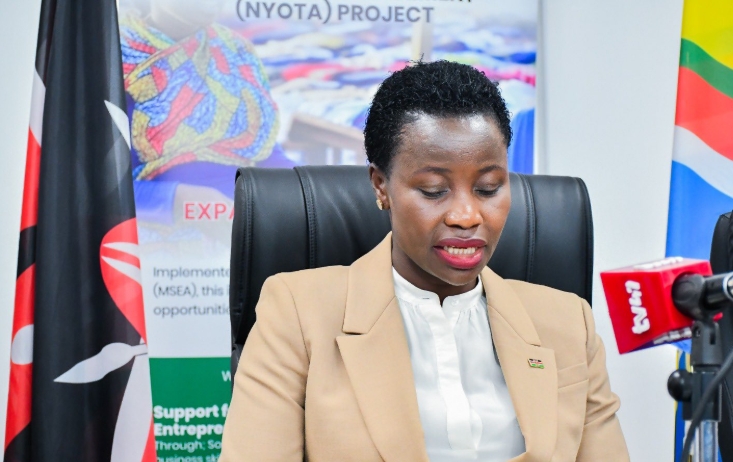
The protests came shortly after the government announced the continuation of the NYOTA training phase across the country. MSMEs Principal Secretary Susan Mang’eni confirmed that the second stage of classroom training had officially begun, covering all 290 constituencies. According to her statement, the programme has been rolled out across 454 centres nationwide.
She added that more than 6,000 trainers have been deployed to support the large-scale exercise. The initiative is designed to equip young people with skills, business knowledge and financial access to improve their livelihoods. Officials insist the programme remains a key pillar in addressing youth unemployment in the country.
NYOTA is a long-term government initiative targeting over 820,000 vulnerable youths across Kenya. It focuses on employability skills, business development support and access to financial services. The programme began in mid-2024 and is expected to run until the end of 2028.
In its earlier phase, beneficiaries received KSh22,000 to support business activities, along with KSh3,000 deposited into a savings scheme under NSSF’s Haba Haba model. A second tranche of similar support is expected in the next phase. However, the latest protests in Kisii highlight growing pressure on the programme to improve communication and ensure timely, transparent payments as implementation continues.