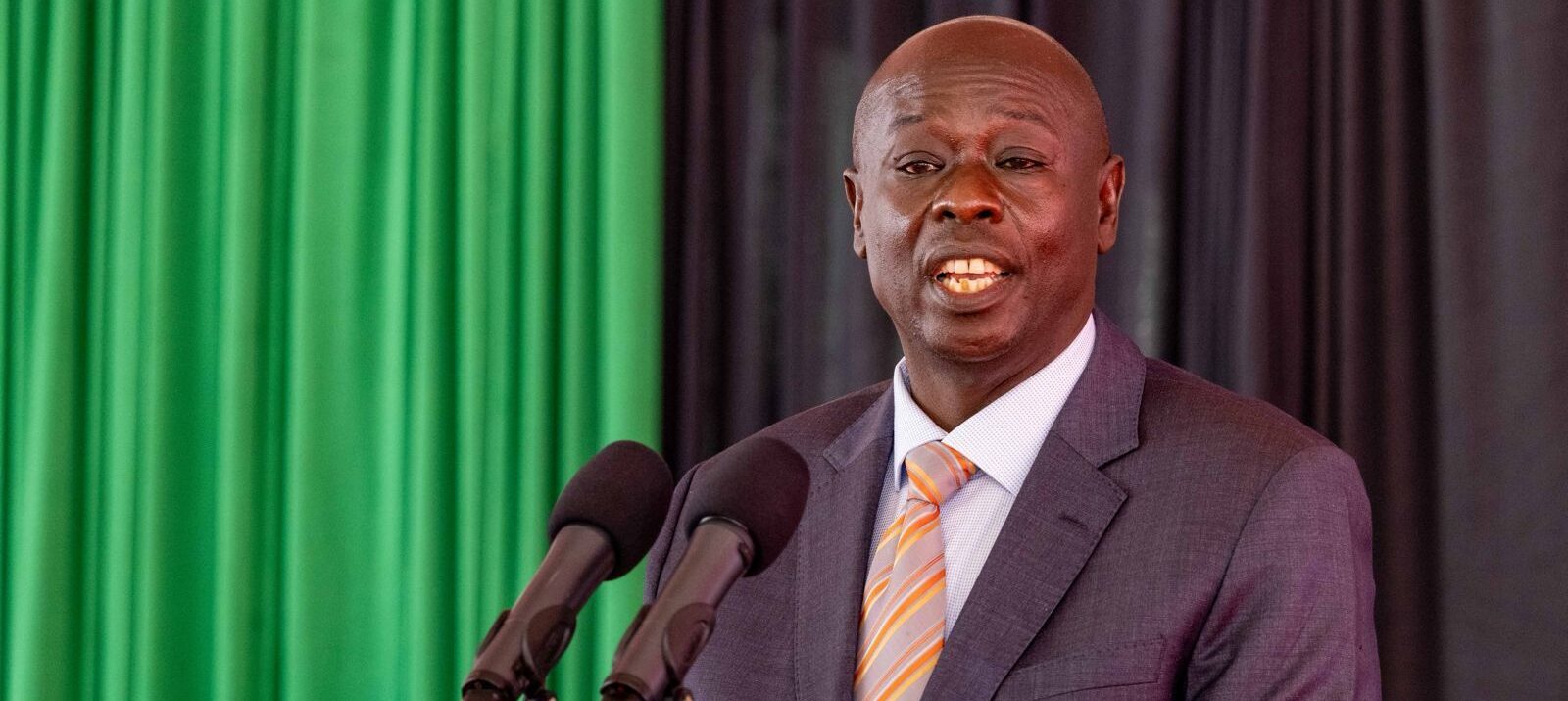
- Former Deputy President Rigathi Gachagua warns the Social Health Authority (SHA) may collapse within six months.
- Hospitals, especially faith-based ones, are reportedly owed up to KSh 90 billion.
- Delayed payments and financial strain could trigger a nationwide health crisis.
- Gachagua advises hospitals to demand outstanding payments or consider upfront fees.
- Audit reports highlight fund mismanagement and fraudulent claims as ongoing challenges.
Former Deputy President Rigathi Gachagua has raised alarm over the country’s healthcare system, citing severe financial pressure on the Social Health Authority.
Speaking at a church service in the ACK Diocese of Kirinyaga on Sunday, March 29, 2026, Gachagua warned that without urgent intervention, SHA could collapse within the next six months, potentially sparking a nationwide health crisis.
At the core of the looming crisis, Gachagua noted, are massive unpaid bills to hospitals, particularly faith-based institutions. He said many hospitals are struggling to operate while waiting for SHA reimbursements, with total debts amounting to KSh 90 billion.
“Today, our hospitals, especially faith-based ones, are almost shutting down due to delayed payments,” Gachagua said.
Gachagua urged hospitals to protect themselves from financial collapse. He recommended that institutions demand the settlement of outstanding amounts before continuing to provide services under the SHA scheme.
He also suggested that hospitals consider requiring upfront payments from SHA to reduce exposure. “If SHA collapses, our hospitals will collapse too, and the country will face a serious health crisis,” he warned.
The former deputy president’s warning aligns with concerns raised by health sector players over delayed reimbursements and operational hurdles linked to the new health financing model.
Recent audits of SHA have revealed cases of mismanagement and fraudulent claims, further straining the national health insurer and raising questions about financial oversight.
The warnings underscore a fragile system that could affect millions of patients if unresolved. Stakeholders are now watching closely, as immediate action may determine whether the SHA survives or triggers a nationwide collapse of hospital services.