- The government has stopped Sh12.7 billion in suspected fake medical claims under the Social Health Authority system.
- Health CS Aden Duale dismissed reports of an Sh11 billion loss, saying the money was never paid out.
- Over 1,100 fraud files have been sent to investigators, with dozens already facing charges.
- SHA has registered 29.7 million Kenyans and paid out Sh105 billion to hospitals so far.
- New rules now limit overseas treatment referrals and cap funding at Sh500,000 per case.
Health Cabinet Secretary Aden Duale has revealed that the government has blocked Sh12.7 billion worth of suspicious medical claims through the digital platform running the Social Health Authority.
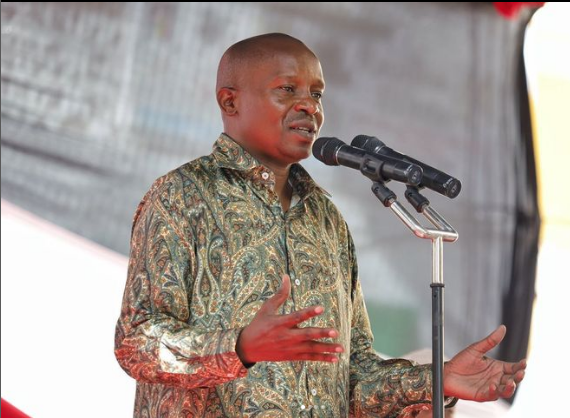
Speaking during a Senate retreat in Naivasha, Duale dismissed claims that Sh11 billion had been lost. He clarified that the flagged amount represents money that was detected early and never released. According to him, the system acted as a safeguard, preventing public funds from slipping through the cracks.
The CS credited the fraud detection success to a new claims management system powered by artificial intelligence. The platform reviews hospital billing and blocks questionable entries before payments are approved.
So far, 1,188 suspected fraud cases have been handed over to the Directorate of Criminal Investigations. At least 26 suspects have already been arraigned in court, while 248 health facilities remain under investigation.
Duale told senators that replacing the former National Hospital Insurance Fund with the SHA has improved transparency and stabilised funding in the health sector.
He reported that 29.7 million Kenyans are now registered under SHA. The authority has collected Sh142.78 billion in contributions and paid out Sh105 billion to service providers, marking a 73 per cent settlement rate on claims.
Under the Social Health Insurance Fund, the government has covered premiums for 558,000 vulnerable households. Counties, NG-CDF and development partners have also stepped in to assist over 62,000 additional families.
Murang’a County was recognised for fully paying premiums for 38,000 needy households.
The ministry is rolling out free primary healthcare services across all counties. More than 8 million Kenyans have already accessed treatment at Level 2 and Level 3 facilities without paying.
To help informal workers stay covered, the “Lipa SHA Pole Pole” plan allows small, flexible payments. Over 411,000 contributors have raised Sh1.4 billion through this arrangement.
New measures have been introduced to control the misuse of overseas referrals. Only 39 medical procedures not available in Kenya will qualify for foreign treatment. Each case will be capped at Sh500,000 and must pass a professional review process.
Foreign hospitals must also be pre-approved and linked with local facilities to ensure patients receive proper follow-up care.
Duale called for the urgent release of Sh5.9 billion to clear pending primary healthcare claims. He also requested a supplementary budget of Sh11.9 billion to address projected shortfalls and Sh2.04 billion to sustain the maternity programme.
The CS warned counties against reducing their own health budgets and replacing them with facility improvement funds, saying this practice weakens service delivery.
The ministry has connected 10,277 health facilities to the Taifa Care digital system and deployed more than 30,000 devices countrywide. Health data is now hosted locally under a Kenya–US partnership to strengthen data protection.
In addition, 107,000 community health promoters have been trained and equipped. The government has invested Sh6.18 billion in diagnostic equipment under the National Equipment Support Programme.
Through the Kenya National Public Health Institute, laboratory networks and emergency centres are being expanded to improve pandemic readiness. Meanwhile, Kenyatta National Hospital has set up a tissue-matching lab to support organ transplant services locally.
Despite the progress, Duale admitted that aligning health laws remains a challenge. He urged senators, led by Amason Kingi, to support pending reforms, including the Quality Healthcare and Patient Safety Bill.
According to the CS, Kenya’s health system is shifting from a struggling insurance model to a more stable and accountable framework. He appealed for continued oversight and funding to secure universal health coverage for all citizens.