- Voting started late in many areas due to failed biometric systems
- The electoral body allowed use of manual registers to keep voting going
- Opposition claims intimidation and interference at polling stations
- Heavy security presence and internet shutdown raised public concern
Uganda’s presidential election faced major setbacks on Thursday after voting failed to start on time in many polling stations across the country.
Although voting was scheduled to begin at 7 a.m., several stations, especially in towns and cities, opened hours later after voter identification machines stopped working. The Electoral Commission later admitted there were technical problems and allowed officials to switch to paper voter lists to prevent voters from being locked out.
Uganda has about 21.6 million registered voters from a population of nearly 45 million. Due to the late start, the electoral body extended voting by one hour, moving the closing time from 4 p.m. to 5 p.m.
Under the law, the final presidential results must be announced within 48 hours after polls close.
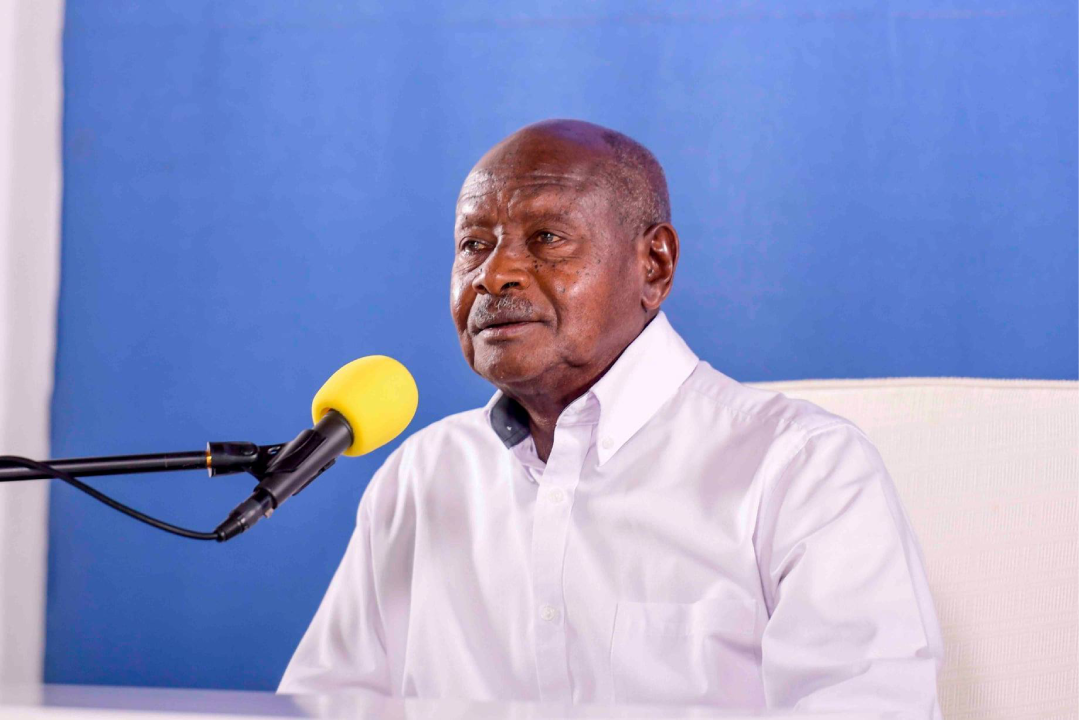
President Yoweri Museveni, now 81 years old, is contesting again after nearly four decades in power. He is facing seven challengers, with the strongest challenge coming from Robert Kyagulanyi, widely known as Bobi Wine.
Kyagulanyi, a former musician turned politician, has positioned himself as the voice of change, especially among young voters.
As voting continued, Bobi Wine accused authorities of manipulating the process. He claimed that ballot stuffing had taken place and that opposition agents were either arrested or chased away from polling centres.
In a message shared on X, he said several party officials were intimidated or forcibly removed during voting.
President Museveni confirmed he had been briefed about the failure of the biometric machines and supported the decision to use manual records. He did not directly address the opposition’s claims.
The delays left many voters frustrated, with long queues reported in Kampala and other major towns. Opposition MP Ssemujju Nganda warned that late openings could discourage turnout in urban areas, which traditionally favour the opposition.
Political analyst Nicholas Sengoba said delayed voting in opposition areas often works to the advantage of the ruling party.
The election was held under tight security, with soldiers and police officers heavily deployed. Rights groups, including Amnesty International, accused security forces of using excessive force against opposition supporters during the campaign period.
Earlier in the week, the government ordered a nationwide internet shutdown, saying the move was meant to prevent the spread of false information and maintain order.
Critics, however, said the blackout disrupted businesses, blocked communication, and limited public access to election updates, calling it a threat to democratic participation.
Uganda has never witnessed a peaceful handover of presidential power since independence. Museveni currently holds Africa’s third-longest-serving presidency, with growing debate around military influence and shrinking political space.
As vote counting begins, observers say the credibility of the process will play a key role in shaping Uganda’s political future and public trust in elections.