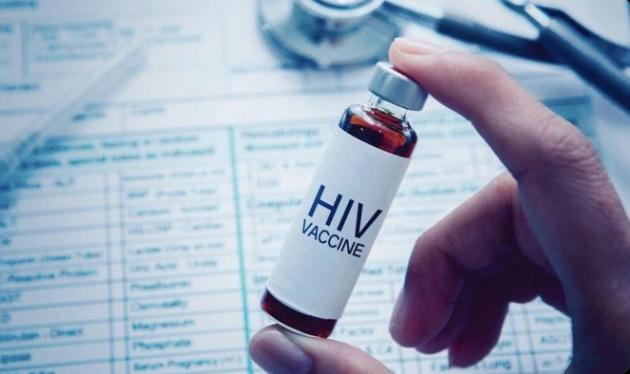
- New HIV prevention injection lenacapavir will cost only Sh5,400 ($40) a year in Kenya.
- The drug is taken twice yearly and cuts infection risk by 96–100%.
- Generic versions will be made by Hetero and Dr Reddy’s Laboratories of India.
- Kenya plans to introduce lenacapavir in January 2026.
- Global Fund and Gates Foundation backing expected to speed up rollout.
Kenyans at risk of HIV could soon protect themselves with a twice-yearly injection after a major deal slashed the cost of lenacapavir from Sh3.8 million ($28,000) to just Sh5,400 ($40) per year.
The drug, which has been hailed as a game-changer, will now be produced in generic form by two Indian pharmaceutical companiesHetero and Dr Reddy’s Laboratories.
The agreement was announced in New York by the Bill & Melinda Gates Foundation and Unitaid.
“Scientific advances like lenacapavir can help us end the HIV epidemic if they are made accessible to people who can benefit from them the most,” said Trevor Mundel, president of global health at the Gates Foundation.
The Gates Foundation has already invested $80 million to speed up access, and Bill Gates this week pledged $912 million to the Global Fund’s 2026–2028 campaign.
Clinical trials published in the New England Journal of Medicine showed lenacapavir reduces new HIV infections by 96–100%.
It is administered every six months, making it more convenient than daily PrEP pills, especially for those who face pill fatigue, stigma, or irregular access to health services.
Before the first injection, patients take a short oral course of pills costing no more than $17.
Kenya has already prepared a rollout framework. According to the National Syndemic Diseases Control Council, 20,105 Kenyans contracted HIV this year alone, adding to the 1.4 million already living with the virus.
Health Cabinet Secretary Aden Duale confirmed the branded version will arrive in January 2026, with generic drugs now expected to expand access even further.
“The Ministry of Health, through Nascop and our partners, is actively working to ensure this innovative product is accessible by January 2026. We remain committed to equitable access, community engagement, and integrating lenacapavir into national policy to reach priority populations effectively,” Duale said.
UNAIDS Executive Director Winnie Byanyima welcomed the deal:
“A $40 price point is a leap forward that will help to unlock the revolutionary potential of long-acting HIV medicines.”
She urged patent holder Gilead Sciences to widen licensing agreements to ensure no low- or middle-income country is left out.
Currently, only 18% of people who could benefit from PrEP are using it. Experts say broader access to lenacapavir could put the world on track to end AIDS as a public health threat by 2030.