- Kiharu MP warns securitisation is “borrowing in disguise.”
- Says Kenya is now borrowing Sh3.4 billion daily.
- Compares current borrowing to Kibaki’s decade in office.
- Treasury insists debt-to-GDP ratio is improving.
- Rating agencies mixed, with S&P upgrading outlook.
- President Ruto defends record, citing discipline and resilience.
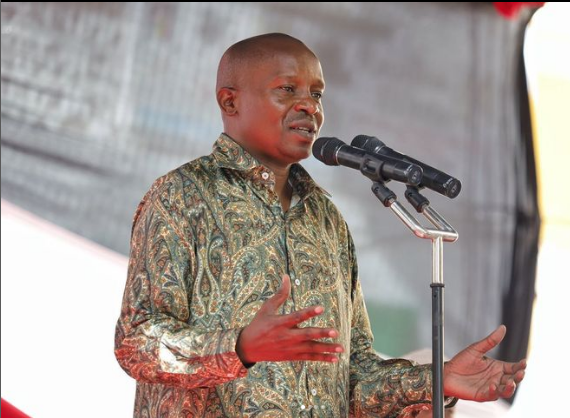
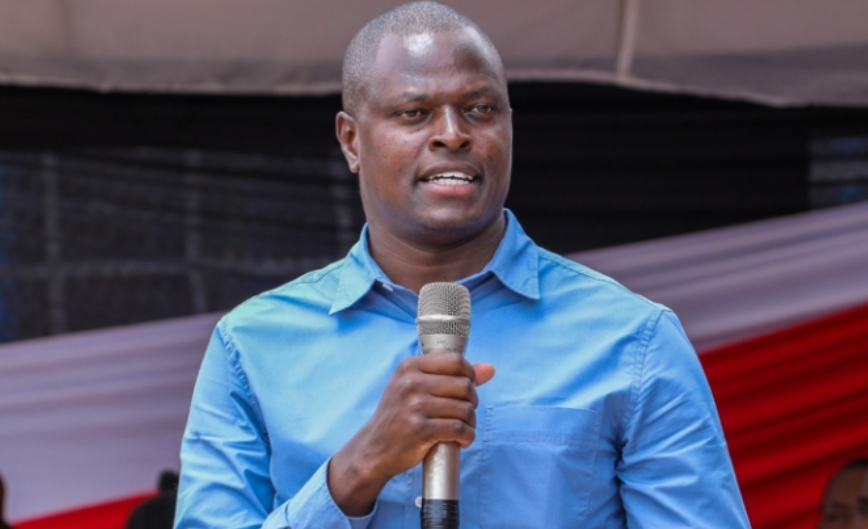
Kiharu MP and former Budget chair Ndindi Nyoro has faulted the government’s growing use of securitisation, warning that it is simply another form of borrowing that could trap the country in long-term debt.
Speaking during a business expo in Nyeri County, Nyoro said turning to securitisation of road maintenance funds and fuel levies to raise Sh100 billion monthly sidelines Parliament and locks future generations into heavy commitments.
Nyoro highlighted the pace of borrowing, citing Central Bank and Treasury data showing Kenya’s public debt has now reached Sh12.1 trillion. He noted that Sh3.5 trillion has been borrowed within just three years.
He broke the figures down further: the country borrows Sh3.4 billion each day, Sh140 million every hour, and Sh2.4 million every minute.
Nyoro contrasted this with Mwai Kibaki’s leadership, saying the current administration has borrowed nearly three times more in three years than Kibaki did in a whole decade.
Treasury CS John Mbadi countered these claims, pointing out that Kenya’s debt-to-GDP ratio has actually dropped from 71.9 per cent in June 2022 to 66.7 per cent in June 2024.
According to Mbadi, the progress is linked to stricter spending controls, new tax policies, and measures aimed at driving growth.
Global agencies have given mixed reviews. S&P upgraded Kenya’s rating to B with a stable outlook in August, citing stronger foreign reserves. Fitch has kept a B- stable rating, while Moody’s maintains Kenya at Caa1 but recently moved the outlook from positive to stable.
President William Ruto has defended his team’s handling of public debt, saying Kenya has kept its commitments despite being listed among high-risk countries. He reminded critics that of six African nations projected to default, five did so, but Kenya managed to stay afloat.
He credited fiscal discipline, a firmer shilling, better inflation control, and recognition by the IMF ranking Kenya as Africa’s sixth-largest economy as proof of stability.
The clash between the government and critics underscores the tension over Kenya’s debt path. While officials insist resilience is being restored, warnings from voices like Nyoro suggest that fresh borrowing methods may create deeper struggles in the future.