- Daniel Levy resigns as Tottenham chairman after 24 years in charge.
- Levy helped Spurs lift the Europa League last season, ending a 17-year trophy drought.
- Peter Charrington was appointed non-executive chairman in a newly created role.
- Levy’s tenure was marked by protests from fans despite major infrastructure success.
- Spurs endured a poor 2024/25 Premier League season, finishing 17th.
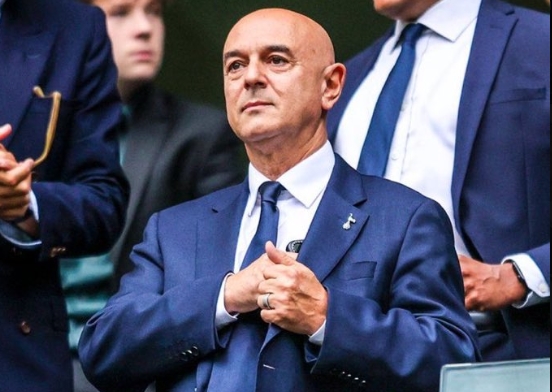
Tottenham Hotspur have confirmed that long-serving chairman Daniel Levy has stepped down from his position after 24 years at the club. Levy, who took over in March 2001, leaves after guiding the club to Europa League success last season their first trophy in 17 years.
In his farewell message, Levy expressed pride in what had been achieved during his stewardship.
“I am incredibly proud of the work I have done together with the executive team and all our employees. We have built this club into a global heavyweight competing at the highest level. More than that, we have built a community,” he said.
He thanked fans, players, and staff while admitting the journey had been far from easy, but insisted progress had been made.
Tottenham announced that Peter Charrington, a director of club owners ENIC, would assume the newly created role of non-executive chairman. Charrington joined the Spurs board in March as a non-executive director and will now take on more responsibilities.
While Spurs finally celebrated European silverware last season, it came during a disappointing league campaign. The team finished 17th in the Premier League under Ange Postecoglou, who was later replaced by Thomas Frank.
Levy also faced mounting pressure from supporters. Protests against his leadership grew louder, with banners and chants demanding change at several matches.
Despite criticism, Levy leaves behind a lasting legacy. He was responsible for the club’s transition from White Hart Lane to the £1 billion Tottenham Hotspur Stadium in 2019.
Football finance expert Kieran Maguire has hailed Spurs as the “most profitable club in Premier League history,” crediting the stadium’s revenues, a cautious transfer approach, and historically lower wage spending.