- Judiciary returned Sh520 million meant for development in FY 2023/24.
- Funds were allocated for court construction, digital upgrades, and facility rehab.
- Report cites procurement delays and administrative hurdles as the cause.
- Comes amid CJ Koome’s calls for more funding to improve access to justice.
- Stakeholders demand improved planning and faster project execution.
The Judiciary has returned Sh520 million to the National Treasury after failing to use the money during the 2023/24 financial year. The funds, which were intended for key development projects, remained untouched by the end of June.
The unspent money was expected to go into improving court infrastructure, including new constructions, renovations of old court buildings, and digital transformation aimed at speeding up justice delivery. However, the projects never took off.
According to the Controller of Budget’s latest report, the Judiciary’s failure to absorb the funds was caused by delays in procurement, late disbursements, and internal administrative issues. Prolonged tendering timelines stalled most of the planned works.
This situation has raised questions about the Judiciary’s capacity to manage development projects efficiently, especially as it continues to push for more financial support to solve longstanding infrastructure challenges.
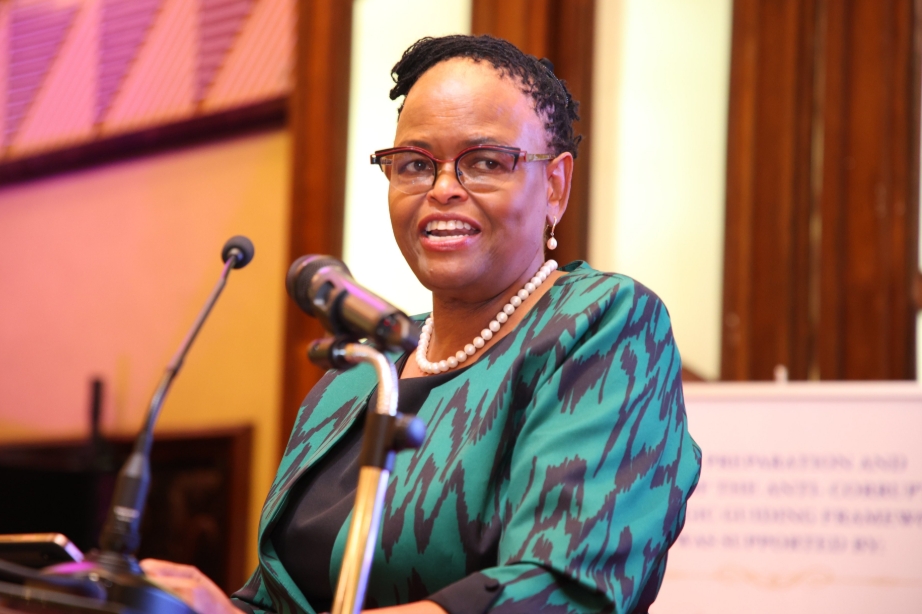
Chief Justice Martha Koome has frequently pointed out that the Judiciary faces inadequate funding. She has stressed the need for more investment, especially in marginalised and rural regions where residents struggle to access legal services.
Yet, the return of Sh520 million meant for development now raises eyebrows about whether available funds are being used effectively.
The setback is seen as a blow to the Judiciary’s Strategic Plan and Vision 2027, which aims to reform and modernise Kenya’s justice system. The inability to spend what was already allocated risks slowing down progress on important reforms.
While recurrent spending was nearly fully used, the development budget’s poor absorption may invite scrutiny from bodies such as the Auditor-General and the Public Accounts Committee. Questions are expected around accountability and financial planning.
As the new financial year unfolds, many are urging the Judiciary to improve its procurement processes, enhance project tracking, and ensure better planning to prevent similar failures in the future.