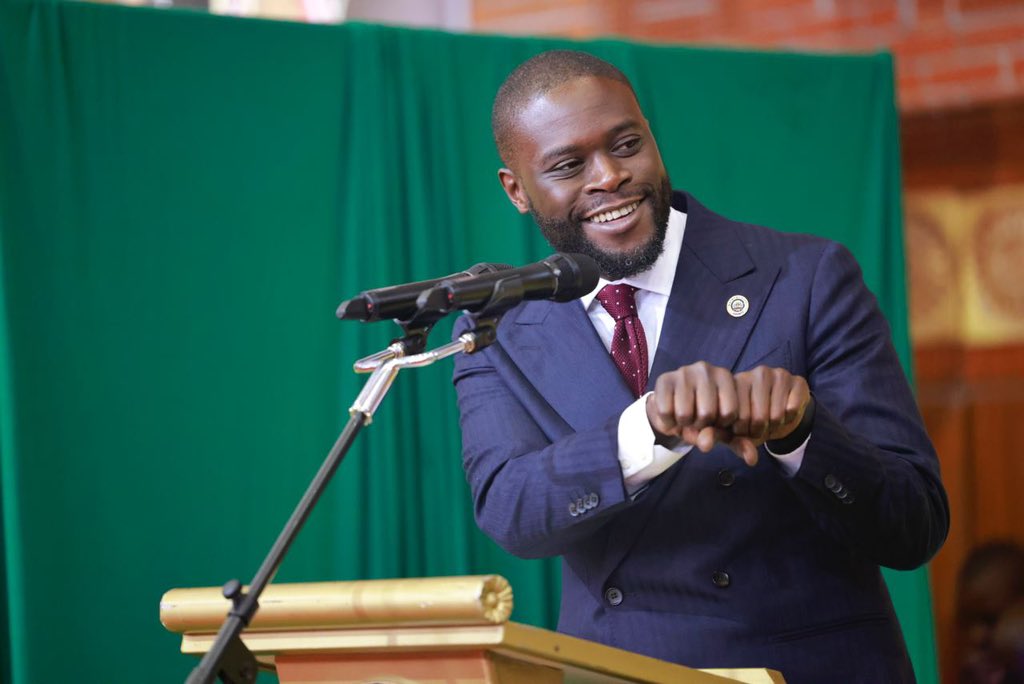
- Senate committee questions Nairobi’s governor on Sh11 billion pending debt.
- Audit shows 51% of city water supply vanishes before reaching residents.
- Sakaja blames ageing infrastructure but outlines rehabilitation plans.
- Senators demand a serious debt recovery strategy for long-standing arrears.
- Wage bill stands at 65%, nearly double the legal threshold, sparking concern.
- Governor promises reforms to reduce staff costs and fix inefficiencies.
Nairobi Governor Johnson Sakaja faced tough questions on Monday from senators concerned about the county’s growing financial woes. The Senate County Public Investments and Special Funds Committee put him on the defensive over a staggering Sh11 billion debt and alarming inefficiencies in service delivery.
The most pressing issue was the discovery that more than half of Nairobi’s water, worth Sh8.6 billion is lost before it ever reaches residents. According to audit reports, 51% of the city’s water either leaks or gets stolen in the distribution process.
“How do we explain to Nairobians that half the water they pay for disappears?” asked Senator Godfrey Osotsi, the committee chair, terming the situation shocking.
In his response, Governor Sakaja said most of the problems stem from an outdated water system, and he assured senators that his administration had set aside Sh9.2 billion in the 2024/2025 budget for major repairs and upgrades.
He added that foreign-funded projects by AFD and FD are already underway to improve supply and reduce losses.
Nairobi Senator Edwin Sifuna, however, questioned the seriousness of the county’s approach to debt recovery, especially the Sh11 billion in unpaid receivables—some of which have remained uncollected for over 480 days.
“Demand letters won’t cut it. Where is the aggressive debt recovery plan?” he posed.
Sakaja responded that a GIS-powered billing system rolled out in February and two newly established revenue zones were already improving collections. He also mentioned that legal action is being pursued against top defaulters.
Another concern was Nairobi’s ballooning wage bill. Senator Eddy Oketch revealed that 65% of the city’s revenue is spent on staff salaries, nearly double the legal limit of 35%.
Sakaja admitted that the ratio is high but explained that it’s partly due to inefficiencies inherited from previous administrations. He said reforms are in progress, including a freeze on hiring and the introduction of a cost-recovery tariff, aimed at reducing the wage burden to 45% within a year.
While Governor Sakaja outlined a number of initiatives to fix Nairobi’s financial and infrastructure problems, senators made it clear that more accountability and faster results are needed. The city’s leadership will remain under close watch as it tries to regain control over its debt and improve essential services for residents.