- A new Senate bill proposes Sh79.2 billion in additional allocations to counties.
- Sh56.9 billion to come from donor loans and grants, mainly from World Bank and the German Development Bank.
- Funds target infrastructure, agriculture, water, health, climate resilience, and urban development.
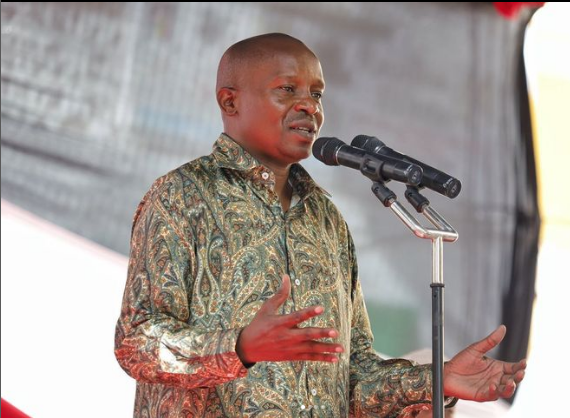
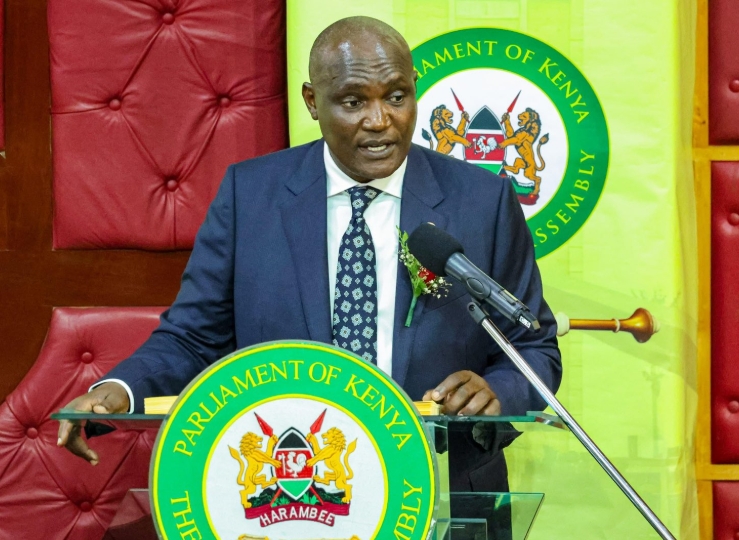
- Senator Ali Roba says the bill aims to improve service delivery and strengthen devolution.
- Conditional and unconditional allocations will enhance county-national coordination and project implementation.
Kenya’s 47 counties could receive Sh79.2 billion in additional funding under a new proposal before the Senate. The County Governments’ Additional Allocations Bill, 2025, was tabled by Senator Ali Roba, chair of the Finance and Budget Committee.
Roba said the funding is meant to enhance service delivery, especially in devolved functions that have faced budget constraints and logistical delays.
“This bill will enable counties to access additional resources to strengthen service delivery and carry out devolved functions effectively.”
Senator Ali Roba
The bulk of the funding, Sh56.9 billion, will come from development partner loans and grants, with the remainder coming from the national exchequer. Key beneficiaries include:
The Kenyan government is receiving significant financial support for various development projects from international partners. The Kenya Devolution Support Program (KDSP2) has received KSh 13.0 billion from the World Bank, while the Kenya Urban Support Project (KUSP2), under the development grant, has been allocated KSh 10.3 billion, also from the World Bank.
The County Climate Resilience Investment (CCRI) Grant received KSh 6.18 billion from the German Development Bank, which also funded the Kenya Water, Sanitation and Hygiene (KWASH) program with KSh 4.6 billion. Additionally, the National Agricultural Value Chain Development Project was supported with KSh 7.7 billion from the World Bank, and the Food Systems Resilience Project (FSRP) received KSh 3.2 billion from the same institution.
The Water and Sanitation Development Project (WSDP) was funded with KSh 3.0 billion from various partners, while the KUSP – Urban Institutional Grant received KSh 1.3 billion from the World Bank. The Drought Resilience Programme in Northern Kenya got KSh 1.27 billion from the German Development Bank, and the CCRI Grant Co-financing was allocated KSh 1.2 billion by the same partner. The Kenya Informal Settlement Improvement Project (KISIP2) received KSh 1.0 billion and an additional KSh 840 million, both from the French Development Agency (AFD).
Moreover, the Kenya Livestock Commercialisation Project (KeLCoP) received KSh 634.5 million from IFAD, while Primary Healthcare (PHC) Support was funded with KSh 510 million from DANIDA. These partnerships highlight the collaborative efforts aimed at improving infrastructure, resilience, agriculture, healthcare, and sanitation across Kenya.
If passed, the bill would improve the flow and management of funds between national and county governments and make donor-funded projects easier to implement at the local level.
This move comes amid growing calls for better support of devolution, especially as counties struggle with delayed disbursements and rising demands for public services.
“This is a critical step in bridging the development gap and bringing real impact to the grassroots,” a senior Treasury official commented.
The bill is currently under Senate consideration and is expected to undergo public participation and committee scrutiny before a final vote.
If enacted, it will take effect in the 2025/2026 financial year, helping to boost county capacity to tackle pressing issues like food insecurity, poor urban planning, drought, and healthcare delivery.
This could mark one of the biggest financial injections into county-level development in recent years, a win for devolution if implemented transparently.