- A university student was injured by police during protests in Thika and later denied emergency treatment at a private hospital.
- Due to an ongoing doctors’ strike, he waited over 24 hours in pain before receiving surgery in a public facility.
- His family blames both law enforcement and the healthcare system for failing him in a time of urgent need.
- With no support offered, they now face a heavy financial burden to cover surgery and recovery costs.
Brian Omondi, a 22-year-old student pursuing Supply Chain and Management, became one of the victims of Wednesday’s national demonstrations. The third-year university student was shot in the right leg by police near Mukereti, shortly after 6:30 p.m., as officers fired at protesters who were leaving the scene.
Witnesses at the location say the shooting appeared unnecessary, as most demonstrators were already dispersing.
After the injury, Omondi was quickly rushed to Vineyard Hospital, a private health centre in Thika. But instead of help, the facility reportedly turned him away.
With few options left, his family took him to Thika Level 5 Hospital — a public hospital — where he was admitted but did not receive immediate care due to the doctors’ nationwide strike.
More than 24 hours passed before Omondi finally underwent surgery on Thursday. Doctors were able to remove the bullet lodged in his leg, but a second procedure is still needed to insert a rod that will support his fractured limb.
The long delay, family members say, may affect his healing and leave lasting complications.
Family Cries Foul Over System Failure
Omondi’s relatives are now speaking out, calling what happened “a total failure” from both the police and the healthcare sector. They say no citizen should be injured during a peaceful protest, and if hurt, should not be denied treatment.
“He suffered too long with no help,” a family member told Uzalendo News, deeply emotional.
Even after all he has gone through, Omondi’s troubles are far from over. The hospital has made it clear that the family will have to pay all medical bills, including those for surgery and physiotherapy.
With no official assistance or promise of compensation, the family is worried they may not manage to afford the recovery costs.
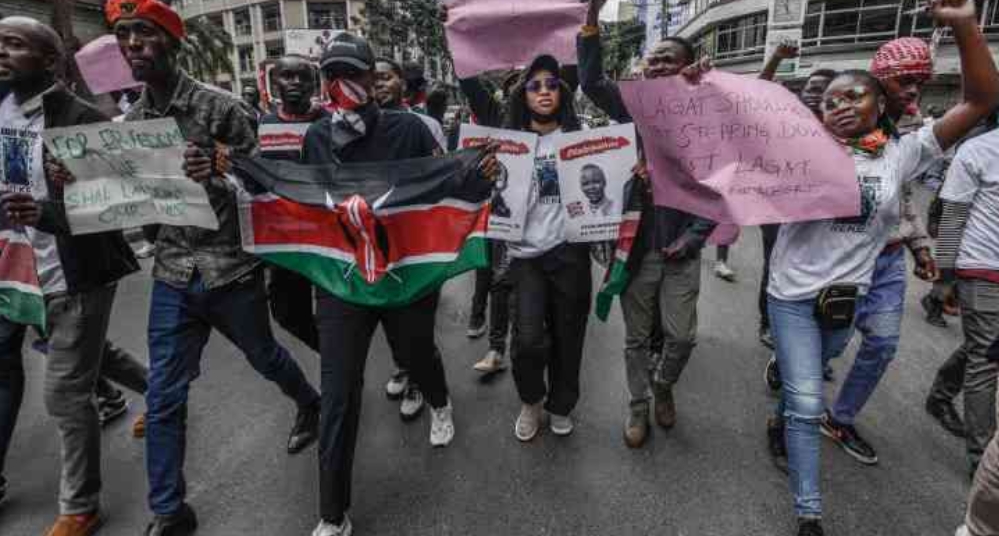
Omondi’s experience is not just personal — it reflects the broader humanitarian impact of Kenya’s ongoing unrest. As anti-tax protests spread, cases like his raise serious concerns about how prepared public systems are when citizens are in danger.
His story stands as a painful reminder of what happens when security forces act harshly and healthcare systems fall short in times of crisis.