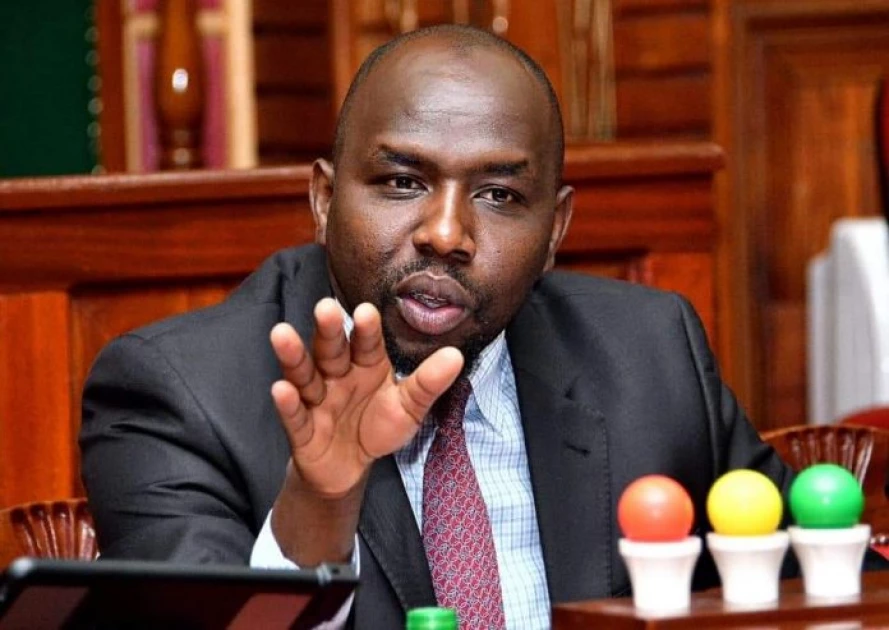
- Murkomen says Kenyans enjoy more freedom than citizens in the UK or US
- He claims that in other countries, just tweeting about invading state buildings can get you arrested
- His remarks come ahead of planned Gen Z protests marking the 2024 tragedy
- He questions why protests are returning while cases like police brutality are already in court
- Youth groups insist the demonstrations are about justice and remembrance
Interior Cabinet Secretary Kipchumba Murkomen has stirred conversation with bold claims that Kenya is one of the most tolerant countries when it comes to civil freedoms, even for those who threaten national institutions.
While speaking at the State House on Tuesday during a breakfast with FKF Premier League winners, Murkomen said many countries would never tolerate what Kenyans do and say freely on social media.
“If someone in the UK wrote about going to Buckingham Palace, they’d be arrested before leaving their bed. In the U.S., typing ‘invade the White House’ will have the Secret Service at your door,” he said.
“But in Kenya, people openly say they’ll storm Parliament or State House, and they’re still sipping tea in their homes.”
His remarks come as Gen Z and youth-led activists prepare for June 25 protests, marking one year since the anti-Finance Bill demonstrations of 2024. Some online users have called for a symbolic march to the state House, triggering concern from the government.
Murkomen dismissed these plans, insisting they have little to do with justice or reform.
“People are just looking for an excuse to riot, loot, and paralyse businesses,” he claimed.
“Some of the issues raised, like police misconduct, are already before courts. Let justice take its course.”
Murkomen also took time to applaud Kenya’s police, stating they are among the most professional forces in Africa. He noted that they face constant pressure from both politicians and the public, yet still maintain discipline.
“Kenya has the most difficult political climate for policing,” he said.
“Our officers work with limited powers and still have to deal with leaders who sometimes misuse them.”
Meanwhile, youth organisers say the June 25 commemorations are peaceful and meant to remember those who died, disappeared or were injured in 2024. Human rights groups reported over 60 deaths and several cases of enforced disappearances during the brutal crackdown.
“We’re not going to destroy anything,” one protester posted.
“We just want to light candles, wear black, and remind the country that we haven’t healed.”
As tension rises between youthful demonstrators and the state, the big question remains—can Kenyans express their pain without facing force? Murkomen says the system allows space for freedom, but others argue that freedom doesn’t mean silence when lives are lost.