- Judiciary mourns Albert Ojwang and prays for injured protestors.
- Notes increased police violence during protests as worrying.
- Says misuse of force threatens peaceful assembly and safety.
- Calls on police to take legal action against those involved in violence.
- Ensures the public of justice through fair and independent court processes.
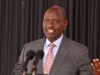
The Judiciary has joined the growing list of voices raising concern over recent police violence during national protests. On Wednesday, Judiciary spokesperson Paul Ndemo issued a statement mourning the death of Albert Ojwang and offering support to those wounded in recent chaos.
We send our heartfelt condolences to the family of Albert Ojwang. To those hurt in the protests, we wish them a full and fast recovery,” he said.
The Judiciary warned that the rising use of force by police, alongside the entry of violent groups into peaceful protests, is putting public peace and the right to protest at serious risk. It described this development as a threat to democratic values and basic freedoms.
Ndemo reminded the National Police Service of its duty to act according to the law by pursuing those who commit or fund acts of violence. He added that while some suspects are already facing charges in court, more needs to be done.
“It is the legal role of police to identify and prosecute offenders, whether on the streets or behind the scenes,” Ndemo emphasised.
He assured Kenyans that the Judiciary is fully committed to handling all brutality and misconduct cases without bias. Ndemo said the courts are guided by the Constitution and will continue to do their part in defending justice for all.
“The court remains a neutral ground, and no act of injustice will go unchallenged under the law,” he added.
Why Judges Rarely Comment on Ongoing Issues
Ndemo also explained why top judicial officers, such as judges and even the Chief Justice, often stay silent on ongoing issues, especially those likely to end up in court. He said this silence protects the credibility and neutrality of the court system.
“The Judiciary Spokesperson’s Office exists to speak for the institution, allowing judges to maintain the legal rule that bars them from commenting on matters they may one day hear,” he clarified.