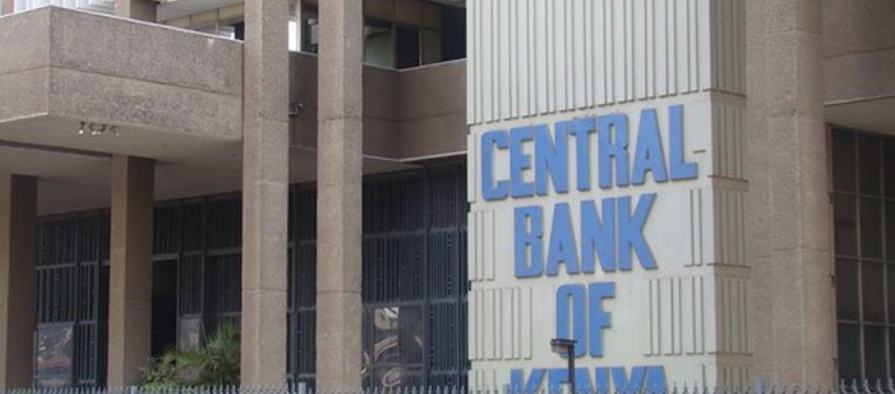
- CBK says inflation could rise to about 8% if oil averages $110 per barrel.
- Governor Kamau Thugge linked the risk to a prolonged Middle East conflict.
- The central bank’s baseline forecast assumes oil prices around $90 per barrel.
- Kenya’s inflation increased slightly to 6.5% in July from 6.4% in June.
- Higher fuel costs could push up transport, electricity and food prices.
Kenya’s inflation rate could climb to about 8 per cent if global crude oil prices average $110 per barrel amid a prolonged conflict in the Middle East, Central Bank of Kenya Governor Kamau Thugge has warned.
Speaking after the latest Monetary Policy Committee (MPC) meeting, Thugge said such a scenario would likely push inflation above the government’s target range of 2.5 to 7.5 per cent, although the increase would be relatively limited.
“I think if the conflict lasts longer and if oil prices were to go to $110, then it’s possible that the headline inflation would exceed or go above the upper end of our target,” Thugge said.
He added that under those circumstances inflation could rise to about 8 per cent.
Despite the warning, the central bank’s main forecast remains more optimistic. Thugge said the CBK currently expects international oil prices to average about $90 per barrel, provided the Middle East conflict does not escalate significantly.
“Our baseline scenario for oil prices is around $90 per barrel,” he explained.
The governor noted that the CBK has also modelled alternative scenarios in which crude prices either increase to $110 or fall to $70 per barrel, saying a decline to $70 remains possible depending on developments in global energy markets.
Kenya’s annual inflation rate rose slightly to 6.5 per cent in July, up from 6.4 per cent in June, according to the latest official consumer price data.
The increase was largely driven by higher food prices and electricity costs, both of which have added pressure to household budgets.
Analysts say further increases in fuel prices could deepen those pressures because energy costs affect transport, manufacturing and distribution across the economy.
Kenya imports most of its petroleum products, making the economy highly sensitive to movements in global crude prices. When oil becomes more expensive internationally, the cost of petrol, diesel and kerosene rises domestically.
Higher fuel prices typically feed through to transport fares, electricity generation, food distribution and the prices of many goods and services.
Economists often describe this as a broad inflationary effect because energy costs influence almost every sector of the economy.
Middle East tensions remain key risk
Global oil markets have remained volatile as investors monitor developments in the Middle East, a region that accounts for a significant share of global crude supply.
A prolonged conflict could disrupt supply chains or increase fears of shortages, pushing prices higher for an extended period.
Thugge indicated that this external risk remains one of the most important factors shaping Kenya’s inflation outlook in the coming months.
The warning comes as the central bank seeks to keep inflation under control while supporting economic growth. In recent months, the CBK has maintained a cautious monetary policy stance amid easing inflationary pressures compared with the highs seen in previous years.
The governor suggested that policymakers are closely monitoring international commodity prices, exchange rate movements and domestic demand conditions before making further policy decisions.
If oil prices were to rise sharply, the effect would likely be felt quickly through fuel pump prices and transport costs. That could eventually affect food prices and other household expenses, particularly in urban areas where transport plays a major role in daily spending.
For now, the CBK expects inflation to remain within the target range under its baseline scenario, but Thugge’s comments underscore how vulnerable Kenya remains to external oil price shocks and geopolitical developments beyond its borders.