- COTU-K plans to push for a 23% minimum wage increase during Labour Day events
- The demand comes amid rising living costs and growing job insecurity in Kenya
- Union leaders met at the COTU Solidarity Centre ahead of celebrations in Vihiga County
- Francis Atwoli says workers are being squeezed by inflation and unstable employment
- Railway workers also raise concerns over pay gaps and ignored agreements
Kenya’s labour movement is heading into this year’s Labour Day celebrations with a strong push for better pay, as union leaders prepare to demand a sharp review of the minimum wage. The Central Organisation of Trade Unions Kenya (COTU-K) has lined up a 23 per cent salary increase proposal, citing worsening economic conditions faced by workers. The decision was reached during a high-level meeting at the COTU Solidarity Centre, where preparations for the 61st Labour Day event were finalised. The celebrations are expected to take place in Vihiga County amid rising expectations from workers across the country.
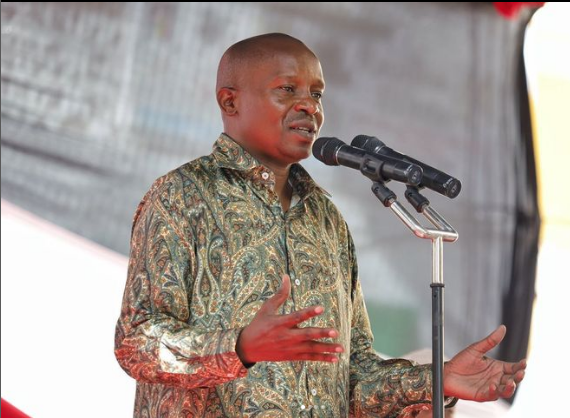
COTU Secretary-General Francis Atwoli led the charge, warning that Kenyan workers are under severe financial pressure due to inflation and changing job structures. He described the situation as critical, saying many families are struggling to meet even basic needs. Atwoli insisted that the proposed wage increase is not optional but necessary for survival in the current economic climate. His remarks set the stage for what is expected to be a tough negotiation with employers and government representatives.
Union leaders used the meeting to highlight worrying trends in Kenya’s labour market, especially the shrinking number of permanent jobs. According to data shared during the discussions, stable employment has dropped significantly over the past decade, raising alarm among workers’ representatives. Many now rely on short-term contracts or informal arrangements that offer little protection. This shift, leaders say, is worsening inequality and weakening worker bargaining power.
Atwoli argued that it is unfair to talk about productivity when workers cannot afford basic living costs. He said the cost of living has risen sharply, making it difficult for households to keep up with daily expenses. His message focused on the gap between economic growth and workers’ actual living standards. He stressed that unless wages are adjusted, the pressure on households will continue to grow.
The COTU boss also directed strong criticism at employers and public institutions over delayed or ignored Collective Bargaining Agreements (CBAs). He warned that continued resistance to worker demands could trigger industrial unrest across key sectors. Atwoli specifically mentioned Kenya Railways, urging management to respect existing agreements and engage workers fairly. He also questioned the role of the Salaries and Remuneration Commission, accusing it of slowing down labour negotiations.
He further promised that COTU would take a more active role in defending workers’ rights moving forward. According to him, restoring dignity in the workplace remains a central mission for the union movement. His remarks were received as a clear signal that unions are ready for tougher stances if talks fail. The tone from the meeting suggested that confrontation may not be off the table.
During the same meeting, railway workers raised their own concerns about pay inequality and poor labour relations. Speaking on behalf of the Railway Workers Union, General Secretary Eric Tirop pointed out major inconsistencies between performance and compensation at Kenya Railways. He noted that despite improved operations and recognition as a top-performing state agency, employees are still paid at lower levels. This mismatch, he said, has created frustration among staff.
Tirop also revealed that the organisation has been operating without a fully functional Collective Bargaining Agreement since 2014. He described the situation as unfair and unsustainable, calling for urgent intervention from COTU leadership. According to him, workers deserve better conditions that reflect the company’s performance. His remarks added weight to the broader call for reforms in labour relations.
As Labour Day approaches, tensions continue to build between unions, employers, and state agencies over wages and working conditions. The proposed 23 per cent increase is expected to dominate discussions during the national celebrations. Workers’ representatives believe the timing is right, given the current economic strain on households. Employers, however, are likely to face pressure to balance wage demands with business costs.
The unfolding debate signals a critical moment for Kenya’s labour sector, with both sides preparing for tough negotiations. Union leaders have warned that failure to address grievances could lead to wider disruptions in key industries. For now, attention is fixed on Vihiga County, where Labour Day speeches are expected to set the tone for the next phase of labour talks.