- Spain has barred US military aircraft linked to Iran operations from its airspace.
- The government also denied use of key joint bases at Rota and Morón.
- Leaders say the move is meant to avoid escalating the ongoing conflict.
- The US insists it can continue its mission without Spain’s support.
- Tensions remain high as Spain strongly opposes the strikes on Iran.
The government of Spain has moved to block US military aircraft connected to operations in Iran from using its airspace. The decision also extends to denying access to two major joint military bases located in the south of the country.
Defence Minister Margarita Robles made it clear that Spain will not allow its facilities to be used in any activity linked to the conflict. According to her, this position was communicated to Washington from the very beginning.
Spain’s foreign policy team says the decision is guided by a desire to prevent the situation from getting worse. Foreign Affairs Minister José Manuel Albares explained that the country is taking a cautious path to avoid fueling the conflict.
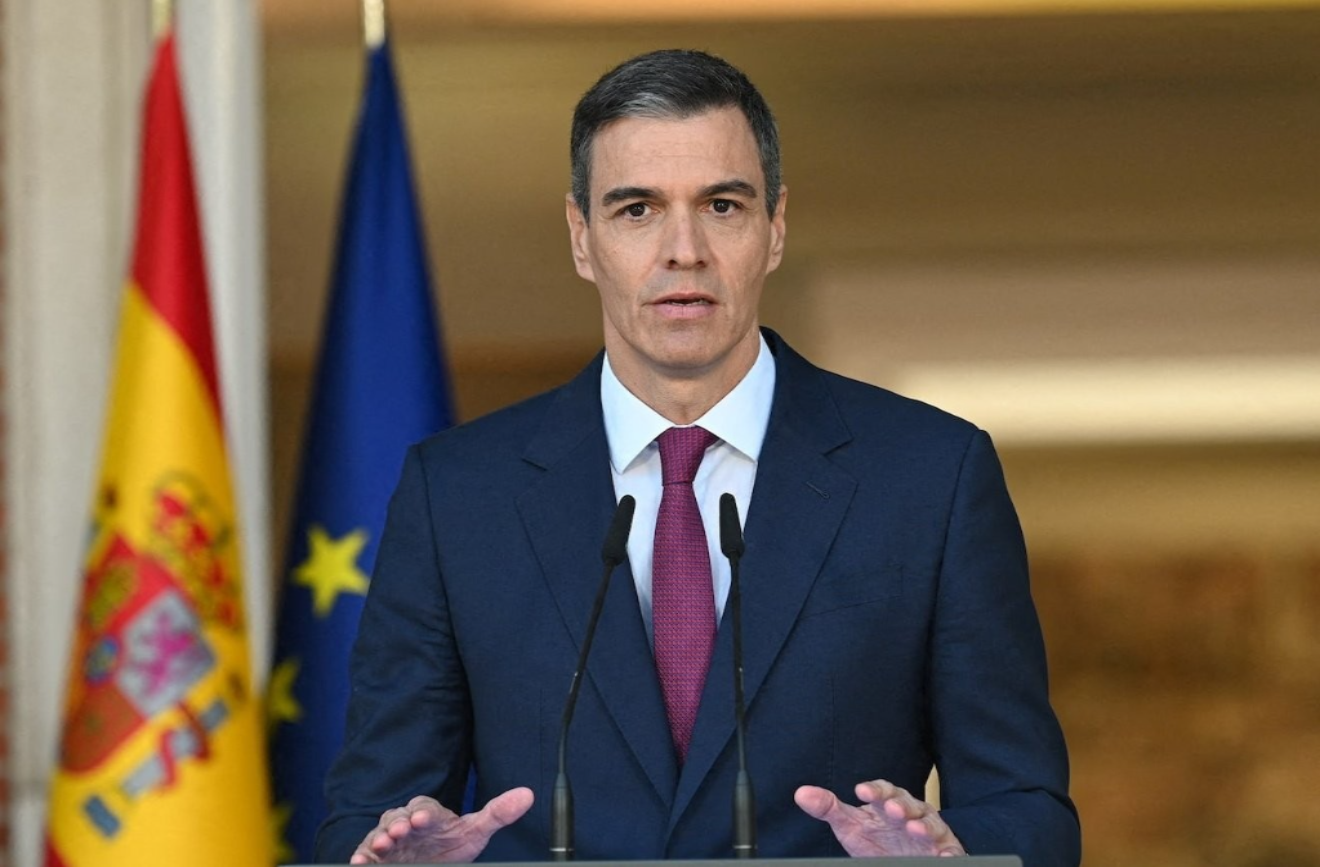
Prime Minister Pedro Sánchez has been vocal in his criticism of the military actions targeting Iran. He has described the strikes as unlawful and dangerous, maintaining that Spain will not support any involvement.
Earlier in March, Spain had already refused permission for US forces to use the Rota naval base and Morón air base, both located in Andalusia. Authorities have since confirmed that all flight requests tied to the Iran operation, including refuelling missions, have been turned down.
However, limited exceptions may apply. Reports indicate that aircraft could still pass through Spanish airspace or land at the bases only in emergencies.
The White House responded by stating that American forces are meeting their targets under ongoing operations and do not require assistance from Spain or any other country.
Meanwhile, US aircraft involved in the mission are currently operating from other locations, including bases in the United Kingdom, allowing them to continue flights without relying on Spanish territory.
The disagreement has added strain to relations between the United States and Spain. President Donald Trump has previously warned of possible trade action against Spain due to its opposition to the war.
Despite the pressure, Spain has maintained a clear stance. In recent public remarks, Sánchez emphasised that the country remains committed to peace and will not support what it views as unlawful military campaigns.
In a national address earlier this month, Spain’s leadership reflected on global conflicts, including those in Ukraine and Gaza, while reaffirming its long-standing position against war.
For Madrid, the message remains consistent: avoid involvement, reduce tension, and stand firm on sovereignty.