- Tanzanian MPs were tested on English proficiency inside the National Assembly.
- The exercise determines eligibility for international delegations like the Pan-African Parliament.
- Several lawmakers struggled, with some failing to complete their speeches.
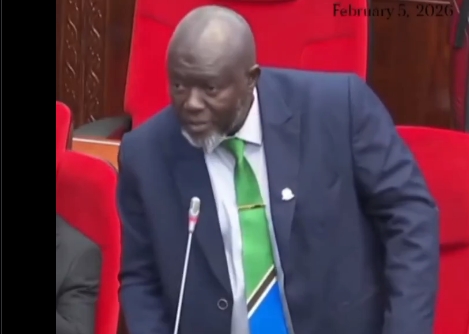
- Opposition MP Bakari Mohamed Shingo withdrew after stumbling at the podium.
- Successful MPs progressed, while others were eliminated from contention.
This week, Tanzanian MPs faced a high-stakes English assessment in the National Assembly. The exercise is required for lawmakers seeking seats in international bodies such as the Pan-African Parliament and the Inter-Parliamentary Union.
While domestic debates are conducted in Swahili, these global forums demand fluency in English, French, Arabic, or Portuguese. The live assessments were designed to ensure representatives can communicate effectively on the international stage.
Bakari Mohamed Shingo, representing Ukonga under the opposition ACT-Wazalendo party, became the focus of attention. He was vying for a seat in the Pan-African Parliament but faltered during his speech, mixing words, pausing, and struggling to form coherent sentences.
Unable to complete the test, Shingo withdrew from the selection process. Clips of his attempt quickly circulated online, highlighting the tense moment as colleagues watched silently from their red seats in the chamber.
Other lawmakers faced similar pressures. Some delivered confident speeches and secured their eligibility. Others faltered, effectively losing the opportunity to represent Tanzania abroad.
Though the test is not new, holding it publicly in Parliament was unusual. Its purpose is to ensure transparency and prevent backroom decisions, giving citizens a clear view of who can handle international responsibilities.
Reactions from Dodoma and social media were swift. Many praised the openness of the process, noting that it prevented embarrassment abroad. Others sympathised with struggling MPs, arguing that years of public service should not hinge on a single language test. Memes and jokes also circulated online, showcasing awkward moments from the chamber.
Shingo, meanwhile, has taken the experience in stride publicly. While he remains a key local figure in Ukonga, the test highlighted the higher standards expected for international representation.
The Pan-African Parliament and other global unions require delegates capable of debating, negotiating, and presenting policies in English or other international languages. MPs who fail this assessment are barred from representing Tanzania on these stages.
While Swahili unites the nation domestically, English remains essential for global work. Observers suggested implementing training programs to help MPs improve language skills before assessments, while others recommended selecting candidates already proficient in multiple languages.
The lawmakers who passed will now prepare for international engagements. Those who struggled must consider further language development if they wish to compete for overseas postings in the future.
Dodoma’s test serves as a reminder that leadership is not just about local influence but also the ability to represent the country clearly and confidently on the global stage.