- A special audit exposed serious weaknesses in the government payroll system
- Over 4.7 million records were altered by hundreds of system editors
- Some users changed their own details without detection
- Weak cybersecurity and expired ICT licences increased fraud risks
The Cabinet has announced wide changes to the government payroll system after a special audit uncovered serious gaps in control and security.
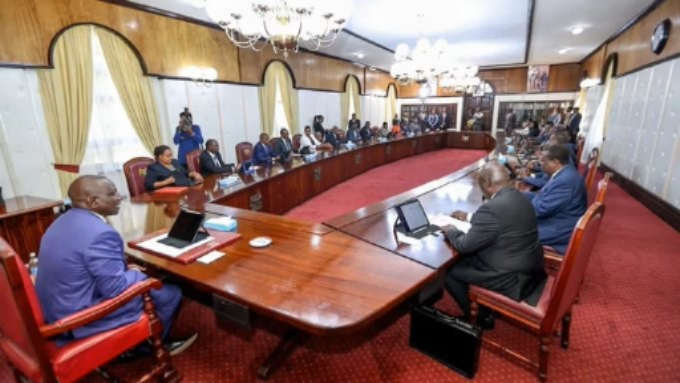
According to a statement released after Tuesday’s Cabinet meeting, the review of the Government Human Resource Information System (HRIS-K) found major governance failures. These weaknesses allowed payroll data to be changed without proper checks across ministries, departments, and state agencies.
The audit showed that at least 720 system editors made changes to more than 4.7 million payroll entries. In some cases, users were able to edit their own personal details without being flagged.
Investigators also found that the system lacked clear tracking tools, proper separation of duties, and strong oversight. This created room for misuse and possible financial loss.
Further concerns were raised over expired ICT licences, weak backup systems, and poor cyber protection. These failures exposed the payroll to fraud risks, including ghost workers and irregular salary payments.
The situation was made worse by nearly 300 state corporations that had not moved to the HRIS-K platform. As a result, they remained outside the main payroll monitoring structure.
In response, the cabinet approved immediate reforms to close the gaps. All public institutions must now apply statutory deductions directly at source without exception.
Accounting officers will be held personally responsible for payroll errors in their organisations, as required under the Public Finance Management Act.
The Cabinet also ordered all government entities to meet mandatory ICT security certification standards by March 11, 2026. Institutions that fail to comply will face penalties.
To strengthen monitoring, the government will create special Payroll Audit Units. It will also introduce forensic data tools to detect suspicious edits, unusual transactions, and patterns of abuse.
The reforms will ensure strict separation of system roles so that no officer can start, approve, and process payroll changes alone.
Cabinet said the changes aim to safeguard public funds and rebuild trust in government systems. The goal is to ensure that salaries and benefits are paid only to genuine employees.
The move follows repeated concerns raised by Auditor-General reports and parliamentary committees, which have long pointed to payroll weaknesses as a key source of financial losses in the public sector.
Cabinet maintained that the reforms are firm and will be fully enforced to protect taxpayer money and promote accountability.