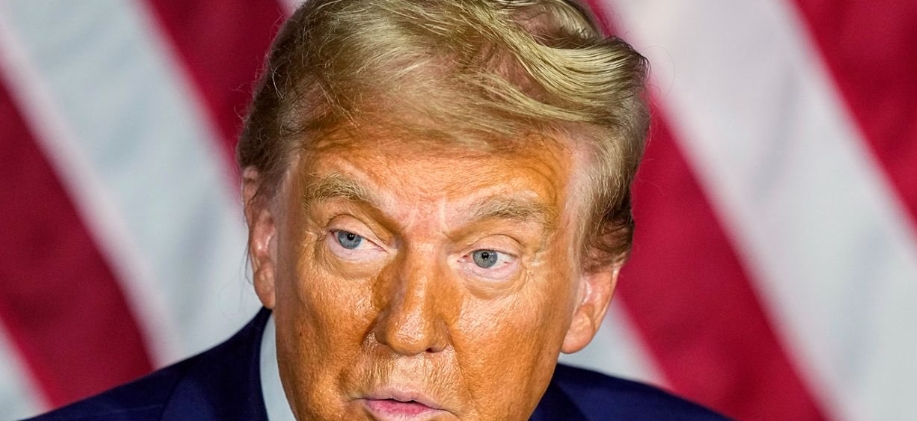
- Donald Trump has filed a lawsuit against JPMorgan in a Florida court
- He claims the bank unfairly closed his accounts for political reasons
- JPMorgan strongly denies the accusations
- The case adds to wider tensions between Trump and major US banks
- Banking leaders warn against new rules on credit card interest rates
US President Donald Trump has taken legal action against JPMorgan Chase, the largest bank in the United States. The case was filed in a state court in Miami-Dade County, Florida.
In the lawsuit, Trump accuses the bank of breaking its own internal rules by targeting him because of shifting political moods.
Trump says JPMorgan shut down accounts linked to him and his hospitality businesses without a fair reason. He argues that the decision damaged his reputation and caused serious disruption to his financial affairs.
According to the suit, Trump and related entities were forced to approach other banks to move their money, which he says exposed them to public embarrassment and stigma.
The lawsuit also accuses JPMorgan’s long-serving chief executive, Jamie Dimon, of directing a so-called blacklist. Trump claims this list was used to warn other banks against working with him, his family, and the Trump Organisation.
He says these actions went beyond normal banking practice and were done with harmful intent.
JPMorgan has rejected all accusations made in the case. The bank insists it does not close accounts based on political views or religious beliefs.
In a statement, the lender said it respects Trump’s right to go to court but maintains that the lawsuit has no legal basis. The bank added that it will defend itself fully.
JPMorgan explained that account closures usually happen when a customer poses a legal or regulatory risk. The bank said such decisions are often guided by strict rules set by regulators, even when they are difficult.
It noted that these steps are taken to protect the institution and comply with the law.
Trump has also made similar claims against other major lenders, including Bank of America. He has repeatedly accused banks of “debanking” him and others unfairly.
At the same time, he has called for tighter controls on the industry, including a proposed 10 per cent limit on credit card interest rates.
Jamie Dimon, speaking at the World Economic Forum, warned that such a cap could reduce access to credit for many people. He said it could hurt consumers and damage the wider economy.
Despite this, banking leaders have welcomed the administration’s push to reduce regulation, saying it could improve growth and ease pressure on the sector.
The case is expected to draw close attention due to the figures involved and its wider impact on banking practices. For now, both sides remain firm, setting the stage for a closely watched court fight.