- President Ruto warned leaders against turning youth programmes into political battles.
- He defended the KSh50,000 NYOTA startup support, saying small capital can change lives.
- The NYOTA programme targets over 800,000 young people across the country.
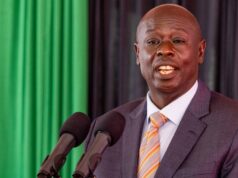
President William Ruto has strongly criticised leaders who are attacking government programmes meant to uplift young people, warning them against using politics to undermine initiatives that support livelihoods.
Speaking in Nyeri, the President dismissed claims that the KSh50,000 given to youth under the National Youth Opportunities Towards Advancement (NYOTA) programme is too little to make an impact.
According to Ruto, those opposing the programme have failed to offer better solutions or show any record of empowering young people during their time in leadership.
The Head of State said critics are judging the programme from a position of privilege, noting that what may seem small to wealthy individuals can be life-changing to others.
He stressed that with proper planning, KSh50,000 is enough to start a small business and grow it steadily.
Ruto urged leaders to respect humble beginnings and allow young people to build from where they are, instead of dismissing their efforts.
The President made the remarks during the release of KSh173.2 million in NYOTA startup capital to 6,982 young entrepreneurs drawn from Nyeri, Murang’a, Nyandarua and Kirinyaga counties.
The event was attended by Deputy President Kithure Kindiki, several governors, Cabinet Secretaries, and National Assembly Majority Leader Kimani Ichung’wah, among other leaders.
Ruto explained that NYOTA is part of a wider government plan focused on expanding youth opportunities across the country.
He said the programme aims to reach 820,000 young people through four main areas: business funding, skills recognition, training and mentorship, and savings culture.
Beyond NYOTA, the President pointed to other initiatives supporting youth employment. He said the Affordable Housing Programme has already created more than 500,000 jobs.
On labour export, Ruto noted that about 500,000 Kenyans have secured jobs abroad, helping increase diaspora remittances by $1 billion (about KSh130 billion) in the last two years.
He also said the government is upgrading digital infrastructure, with 30,000 kilometres of fibre optic cable already installed and plans to reach 100,000 kilometres in the coming years.
According to the President, the expanded fibre network is expected to support one million young people working in the digital space.
He revealed that at least 300,000 youths are already earning a living through online and digital jobs, showing the sector’s growing impact.
Ruto said the government is determined to place young people at the centre of national development by investing heavily in education and skills.
He highlighted the hiring of 100,000 teachers, the construction of 23,000 classrooms and 1,600 laboratories, and the promotion of 25,000 teachers to strengthen learning outcomes.
The President said Kenya must get value from the KSh700 billion spent on education by ensuring graduates are absorbed into productive sectors of the economy.
The President urged young people to take advantage of the programmes available and use them to improve their lives and communities.
Later, he opened a new tuition block at PCEA Nyamachaki Comprehensive School and announced an additional KSh20 million for expansion works.
During his visit, Ruto inspected the 84-kilometre Kenol–Sagana–Marua road project and said more than eight major roads in Nyeri County are being upgraded for KSh4 billion.
He also announced plans to build a dual carriageway from Marua Interchange to Nyeri Town and extend it to Chaka.
Deputy President Kindiki advised beneficiaries to invest the NYOTA funds carefully, saying success depends more on how money is used than the amount received.
Sports Cabinet Secretary Salim Mvurya said the programme targets young hustlers to turn them into employers.
Mr Ichung’wah encouraged youth to save as they grow their businesses, noting that savings play a key role in long-term investment.
The government maintains that empowering young people remains central to Kenya’s economic future.