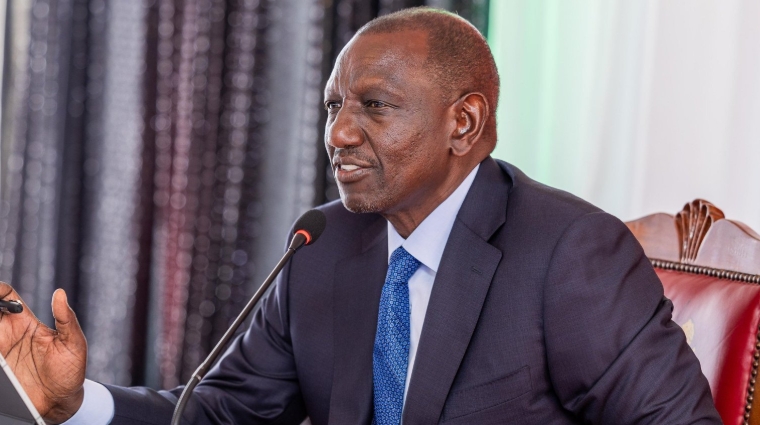
- The High Court cancelled the creation of 21 adviser roles for the President
- The court ruled the process broke constitutional and legal rules
- All appointments were declared invalid with immediate effect
- Payments and benefits to the advisers were permanently stopped
The High Court has thrown out the establishment of 21 adviser positions linked to the President, stating that the offices were created through an unlawful process.
In a ruling delivered by Justice Bahati Mwamuye, the court found that the steps taken to form the advisory roles and appoint individuals to them did not meet constitutional standards.
As a result, all the appointments were cancelled, and the offices ceased to exist immediately.
Justice Mwamuye ruled that both the creation of the offices and the selection of office holders were carried out outside the law.
The court formally set aside the decision that introduced the advisory positions, making it clear that the advisers no longer hold any legal authority.
The judge stated that constitutional and legal procedures must always be followed when setting up public offices.
In addition to cancelling the appointments, the court issued a permanent order blocking any payments to the affected advisers.
This includes salaries, allowances, or any other benefits linked to the invalid offices.
The ruling ensures that no public funds are spent on positions that were formed without proper legal backing.
The judgment went further by directing that a wide audit be carried out on all public offices created during the period in question.
The audit will assess whether those offices were established in line with the Constitution, existing laws, and public service rules.
The respondents were instructed to complete the review and submit a progress report to the court within 120 days.
The decision sends a clear signal that public appointments must follow strict legal guidelines.
Justice Mwamuye emphasised that transparency, accountability, and legality are not optional when creating offices funded by public money.
The ruling is expected to influence how future government appointments and office creations are handled.