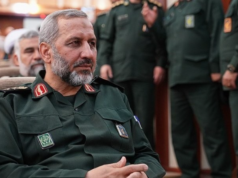
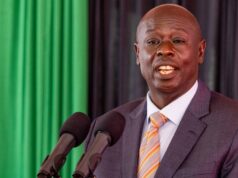
- Kisii Governor Simba Arati and Kakamega’s Fernandes Barasa tie at 65% in Politrack Africa’s 2025 County Governance Index.
- The survey assessed all 47 counties on service delivery, fiscal discipline, development and citizen satisfaction.
- Waiguru, Ole Ntutu, Wanga and Guyo complete the next top tier.
Kisii Governor Simba Arati and his Kakamega counterpart Fernandes Barasa have emerged as the best-performing county heads in the 2025 Politrack Africa County Governance Index, each earning 65%. The ranking, released on Monday, placed the two first-term governors at the top of the list after assessing all 47 counties.
The Index reviewed overall performance using indicators such as development progress, financial management, public engagement, and satisfaction among residents.
Arati and Barasa were praised for consistent improvements in infrastructure, responsible budgeting and strengthening frontline services.
The Politrack Africa report is based on a national sample of more than 13,000 respondents and expenditure records from the Office of the Controller of Budget. It measured county performance across four key areas: Service delivery, Fiscal stewardship, Governance practices Economic development
Researchers noted that counties with noticeable upgrades in health facilities, roads, water access and agricultural support recorded higher scores.
Arati scored strongly due to sweeping revenue reforms, which included shifting the entire county to digital payment systems. According to the report, the move pushed own-source revenue up by 178%.
He also started the construction of a new 300-bed maternal and child health wing at Kisii Teaching and Referral Hospital, a project highlighted as a major step for the region.
Governor Barasa was celebrated for expanding Kakamega Care, the county’s universal health model, and leading efforts toward reviving Mumias Sugar Company. He also advanced plans for a county industrial park aimed at attracting manufacturing investors to Western Kenya.
Kirinyaga Governor Anne Waiguru followed closely at 63.2%, recognised for operationalising the county industrial park and implementing the “Kicare” health programme.
Others in the high-performing bracket include: Patrick Ole Ntutu (Narok): 62.5% – noted for fiscal discipline and large-scale development work. Gladys Wanga (Homa Bay): 61.8% – praised for infrastructure growth and strong governance. Abdi Guyo (Isiolo): 60.9% – hailed for long-term planning and inclusive management.
Uasin Gishu’s Jonathan Bii ranked 7th with 58.5%, recognised for progressing key agricultural projects.
He was followed by: Joseph Mwangi (Laikipia): 57.9% 8th, Fatuma Achani (Kwale): 57.2% 9th
Both were noted for introducing effective service delivery systems suited to their regional needs.
Kisumu Governor Anyang’ Nyong’o came 10th at 56.4%, credited for sustained urban renewal and health-sector improvements despite sharp political challenges.
From 11th to 14th place were: Cecily Mbarire (Embu): 55.7% Joseph Ole Lenku (Kajiado): 55.0% recognised for navigating land and pastoralism complexities. Jeremiah Lomorukai (Turkana): 54.3% dealing with insecurity and climate shocks. Mohamed Adan Khalif (Mandera): 53.6%
The report acknowledged that harsh conditions affected their overall scores, but highlighted strong progress in service delivery.
Murang’a Governor Irungu Kang’ata posted 53.0%, with Mombasa’s Abdulswamad Nassir at 52.4%. Nassir earned praise for introducing the unified “Mombasa Pay” revenue system and scrapping maternity fees, though he posted weaker numbers in urban management and fiscal control.
The final four in the top 20 were: Stephen Sang (Nandi): 51.8% James Orengo (Siaya): 51.5% Andrew Mwadime (Taita Taveta): 51.1% and George Natembeya (Trans Nzoia): 50.8% recognised for his 500 KM Tarmacking Plan to boost the agricultural heartland.