- IMF ended Kenya’s funding programme over missed targets
- Kenya lost about KSh 109.7 billion in expected IMF funds
- World Bank froze KSh 96–97 billion under the DPO facility
- Key reforms on taxes, governance, and systems remain unmet
- Budget deficit stands at KSh 900 billion for 2025/26
Kenya’s plans to access key international loans have hit a roadblock after both the International Monetary Fund (IMF) and the World Bank delayed or froze the disbursement of funds. The two lenders cited the government’s failure to meet agreed reform conditions, dealing a blow to Kenya’s fiscal plans at a time of rising debt and tight budgets.
The IMF has terminated a multi-year funding deal that began in 2021 after Kenya failed to meet most of the set targets under the Extended Fund Facility (EFF) and Extended Credit Facility (ECF).
Because of this, Kenya lost access to about $850 million (around KSh 109.7 billion) that was expected under the programme.
Key missed targets included: Tax revenue goals, Budget deficit limits, Restructuring of Kenya Airways, and Clearing government payment arrears
Treasury officials had hoped a final IMF review would unlock more funds, but the review was dropped in early 2025 when conditions were not met.
IMF officials later confirmed that Kenya has formally applied for a new lending programme, with talks expected to continue into early 2026. However, no clear timeline has been given for when or if a new deal will be approved.
The World Bank has also withheld a $750 million (about KSh 96–97 billion) loan under its Development Policy Operations (DPO) facility. The money was expected earlier in the financial year, but remains on hold.
The bank linked the funds to several policy and legal reforms, including: Changes to the Competition Act, Full rollout of the Treasury Single Account (TSA), Use of e-government procurement systems, Faster approval of county allocation bills, and stricter rules for social protection programmes
While Kenya has passed some laws, such as the Conflict-of-Interest Act, the World Bank says other requirements are still pending.
The funding delays come at a difficult moment. Kenya is facing a budget deficit of about KSh 900 billion in the 2025/26 financial year. Public debt has also grown, largely due to increased domestic borrowing.
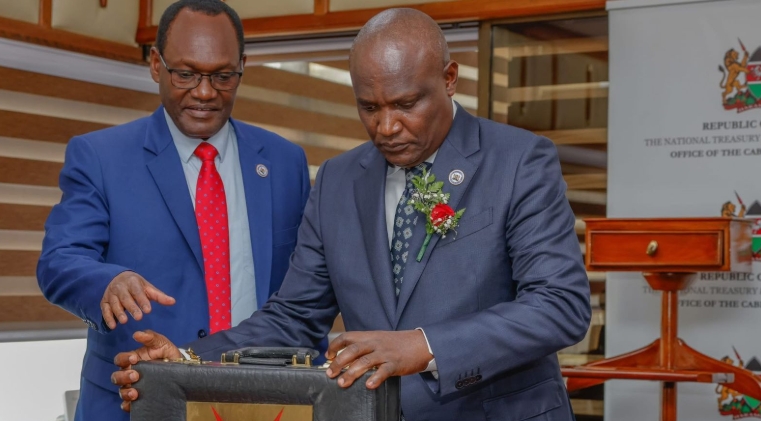
Treasury CS John Mbadi says the government is in talks with the World Bank and is pushing to meet the remaining conditions faster. Still, uncertainty remains over when the frozen funds will be released.
Due to the stalled talks, the Treasury has removed IMF funding from budget forecasts up to 2029. This signals a more cautious approach toward IMF borrowing, even as the government keeps diplomatic ties with the lender.
Analysts say the IMF and World Bank decisions show a stronger focus on governance, discipline, and reforms before releasing cheap loans. Kenya now faces the challenge of fixing its finances while meeting tough conditions in the months ahead.