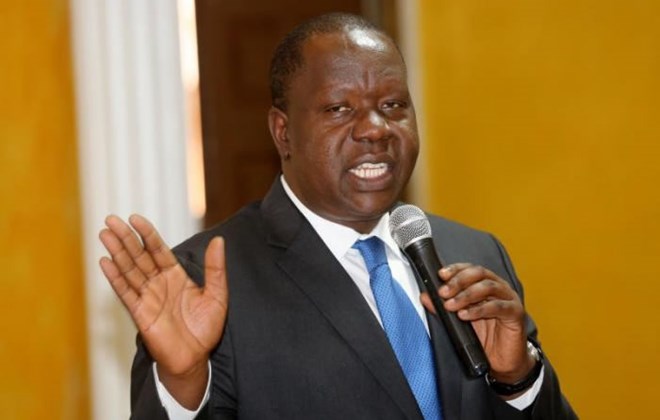
Jubilee Party presidential hopeful Dr Fred Matiang’i has openly stated that he is preparing to contest for Kenya’s top seat. The former Cabinet Secretary says he is currently moving around the country, listening to wananchi and trying to understand what matters most to them before making final political decisions.
Mukhtasari
Fred Matiang’i has confirmed interest in the 2027 presidency
He is on a countrywide listening tour
Kenyans are unhappy with the economy and over-taxation
He says leadership by example is key in fighting corruption
Opposition unity, he notes, is a process, not an event
Nationwide Listening Tour
Matiang’i revealed that he is holding meetings in different parts of the country, engaging ordinary Kenyans and leaders from various sectors. According to him, the feedback he is receiving shows a common feeling across the country.
He says many Kenyans are unhappy with the direction the country is taking and are deeply worried about the rising cost of living, weak social services, and economic pressure.
Public Anger and Economic Pain
From his engagements, Matiang’i says there is widespread frustration, especially over heavy taxation. He noted that almost everywhere he goes, Kenyans complain about taxes that are squeezing households and businesses.
He added that the social sector is under serious strain, and many people feel uncertain about the country’s stability.
“There is incredible dissatisfaction across society,” he observed.
From Technocrat to Politician
Drawing from his time in government and later at the World Bank, Matiang’i admitted that politics has been a learning curve for him. He said political life requires patience and humility.
“Coming from a technical background, politics has taught me patience. I now understand better why you should never underrate anyone,” he said.
Stand on Corruption
On corruption, Matiang’i said the solution begins at the top. According to him, leaders must lead by example if corruption is to be defeated.
“You cannot tell people to stop corruption if you are corrupt yourself. When leaders steal, corruption becomes permanent,” he said.
Opposition Unity Takes Time
Asked about bringing the opposition together, Matiang’i warned against shortcuts. He said unity cannot be forced and does not happen overnight.
According to him, aligning visions, ideas, and national priorities takes time and honesty.
“Anyone saying unity can be achieved in a month is not being truthful. It is a journey,” he stated.
The Personal Cost of Politics
Matiang’i also opened up about the sacrifices that come with political life. He said that after leaving government, he briefly enjoyed privacy and family time, but those moments are now gone.
“The first price you pay is losing your privacy. You miss family moments, and that is something you must accept,” he said.
Rejecting Empty Development Slogans
The former CS dismissed claims that Kenya can quickly transform into a country like Singapore. He described such talk as unrealistic and misleading.
“The so-called ‘road to Singapore’ is a joke. It is political theatre, not serious policy,” Matiang’i said.
As the 2027 election cycle slowly takes shape, Matiang’i’s remarks position him as a leader keen on listening first, while openly challenging what he calls empty promises and poor leadership. Whether that message resonates at the ballot remains to be seen.
Fred Matiang’i has confirmed interest in the 2027 presidency
He is on a countrywide listening tour
Kenyans are unhappy with the economy and over-taxation
He says leadership by example is key in fighting corruption
Opposition unity, he notes, is a process, not an event
Matiang’i revealed that he is holding meetings in different parts of the country, engaging ordinary Kenyans and leaders from various sectors. According to him, the feedback he is receiving shows a common feeling across the country.
He says many Kenyans are unhappy with the direction the country is taking and are deeply worried about the rising cost of living, weak social services, and economic pressure.
From his engagements, Matiang’i says there is widespread frustration, especially over heavy taxation. He noted that almost everywhere he goes, Kenyans complain about taxes that are squeezing households and businesses.
He added that the social sector is under serious strain, and many people feel uncertain about the country’s stability.
“There is incredible dissatisfaction across society,” he observed.
Drawing from his time in government and later at the World Bank, Matiang’i admitted that politics has been a learning curve for him. He said political life requires patience and humility.
“Coming from a technical background, politics has taught me patience. I now understand better why you should never underrate anyone,” he said.
On corruption, Matiang’i said the solution begins at the top. According to him, leaders must lead by example if corruption is to be defeated.
“You cannot tell people to stop corruption if you are corrupt yourself. When leaders steal, corruption becomes permanent,” he said.
Asked about bringing the opposition together, Matiang’i warned against shortcuts. He said unity cannot be forced and does not happen overnight.
According to him, aligning visions, ideas, and national priorities takes time and honesty.
“Anyone saying unity can be achieved in a month is not being truthful. It is a journey,” he stated.
Matiang’i also opened up about the sacrifices that come with political life. He said that after leaving government, he briefly enjoyed privacy and family time, but those moments are now gone.
“The first price you pay is losing your privacy. You miss family moments, and that is something you must accept,” he said.
The former CS dismissed claims that Kenya can quickly transform into a country like Singapore. He described such talk as unrealistic and misleading.
“The so-called ‘road to Singapore’ is a joke. It is political theatre, not serious policy,” Matiang’i said.
As the 2027 election cycle slowly takes shape, Matiang’i’s remarks position him as a leader keen on listening first, while openly challenging what he calls empty promises and poor leadership. Whether that message resonates at the ballot remains to be seen.