- Amnesty accuses Tanzanian forces of killing and injuring hundreds during protests
- Live bullets and tear gas were allegedly used on unarmed civilians
- Violence occurred during a nationwide internet blackout
- Hospitals in major cities were overwhelmed with gunshot victims
Amnesty International has raised serious concerns over the conduct of Tanzanian security forces during recent protests, accusing officers of using deadly force on civilians who posed no immediate threat.
The rights group says hundreds of people were killed or injured nationwide between October 29 and November 3, after police allegedly fired live bullets and tear gas into crowds and residential areas.
According to Amnesty, officers targeted bystanders and people going about their daily routines. Tear gas was reportedly launched into homes and neighbourhoods, while firearms were used in situations that did not require lethal force.
Witnesses told the organisation that some officers opened fire without warning, even on unarmed individuals. In one recorded case, a woman carrying only a wooden stick was seen collapsing after being shot.
The alleged abuses happened during a nationwide internet blackout, a move Amnesty believes limited public access to information.
During this period, detainees were reportedly beaten, denied medical attention and held in harsh conditions. Amnesty further claims that bodies were removed from hospitals and taken to unknown locations, raising fears of attempts to hide evidence.
Healthcare workers in Dar es Salaam, Arusha and Mwanza described treating large numbers of gunshot victims. Most were young men, but women and children were also among those injured.
Morgues quickly filled up, forcing some bodies to be left outside hospital facilities. In one disturbing account, witnesses said crows were seen feeding on unattended bodies.
Amnesty said it verified videos showing dozens of bodies stacked inside hospital buildings, along with footage of wounds consistent with high-speed gunshots linked to military-style rifles.
Families of victims reported that some bodies later disappeared from morgues. With no remains to bury, relatives were forced to hold symbolic funerals, using clothes and photographs instead.
While acknowledging that a small number of protesters threw stones or damaged property, Amnesty insists its findings show lethal force was used against people who posed no immediate danger.
“The violence inflicted on protesters and ordinary citizens was shocking and unacceptable,” said Agnès Callamard, Amnesty International’s Secretary General, adding that it reflects growing intolerance in the country.
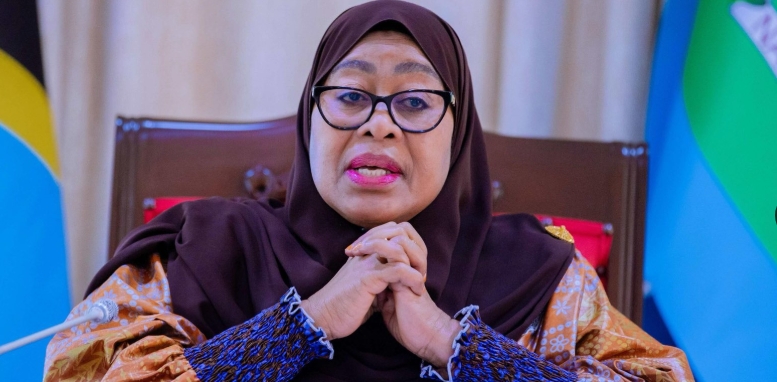
On November 14, President Samia Suluhu Hassan announced the formation of a commission to investigate the killings. However, civil society organisations have questioned whether the inquiry will be independent and fair.
“The commission is only the first step,” Callamard said. “Authorities must now ensure investigations are independent, thorough and impartial. No one should be protected from justice.”
The demonstrations followed a controversial election in which key opposition candidates were barred, clearing the path for President Hassan’s landslide win.
Rights groups say the crackdown is part of a wider pattern of repression, including arbitrary arrests and limits on public gatherings.
Amnesty said it interviewed 35 survivors, witnesses, medical workers and relatives, and verified 32 digital materials supporting its findings. Tanzanian authorities did not respond to requests for comment.