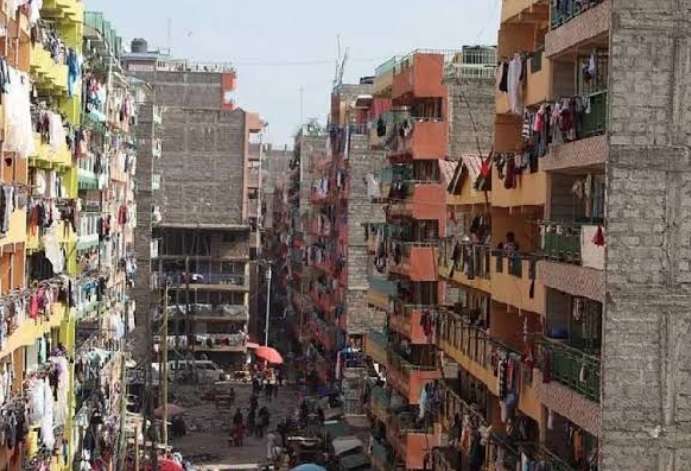
- Pipeline became a high-rise, low-cost rental hub over the past 20 years.
- Private developers built hundreds of flats, but with little planning or regulation.
- Residents face housing challenges, weak infrastructure, and high stress levels.
Pipeline began transforming nearly two decades ago as Nairobi’s population grew. Private developers filled the 2km² area with tall apartment blocks to meet the rising demand for low-cost rental housing. Today, each building can host between 200 and 300 tenants, making Pipeline one of Nairobi’s most crowded estates.
The development proved that private builders can help address the housing shortage. But the lack of planning, open space, and proper regulations has created major social and economic challenges for residents.
Most flats in Pipeline are single rooms with shared washrooms. Many units have poor lighting, weak air circulation, and limited space. Because of the dense population, delays in rent often lead to water or electricity cuts, putting tenants in difficult positions.
Pipeline is home mainly to rural-urban migrants seeking cheap accommodation, modern living spaces, running water, and formal rental agreements. While the estate feels like an upgrade from informal settlements, public services cannot keep up with the rapid growth. Most amenities, including health, water, education, and recreation, are irregular or fully privatised.
Many residents work in low-income jobs, industrial shifts, domestic work, or gig-based tasks.
Researchers studying urban life and migration conducted interviews with men and women living in Pipeline. Their findings revealed that stress is experienced differently across genders.
Men often described their stress as “pressure.” It pushed them toward action because of expectations to provide financially. This pressure made them seek coping outlets outside the home, including social drinking or spending time in male-dominated spaces such as gyms and barber shops.
Women, on the other hand, described their stress as “tiredness.” Their options for responding were limited because many depended on male partners for financial support. Most women spent long hours inside small apartments, using passive coping methods like resting, doing housework, or watching TV. Others found relief in semi-private spaces like balconies, chamas, or church groups.
The estate’s physical structure, tight spaces, overcrowding, lack of social areas and community services shape how residents manage stress. The environment gives men more outlets to act and fewer options for women to escape household pressures.
Researchers say the stress comes not only from economic difficulty but also from expectations of middle-class success, family stability, and upward mobility dreams that are harder to achieve in such a tough setting.
Despite its size and population, Pipeline has no major programme aimed at addressing these complex challenges. Government housing plans mostly focus on home ownership, even though over 90% of Nairobi residents rent, mostly from private landlords.
Experts recommend upgrading areas like Pipeline, improving public services, introducing rental protection laws, and supporting cooperative and community-led housing programmes.