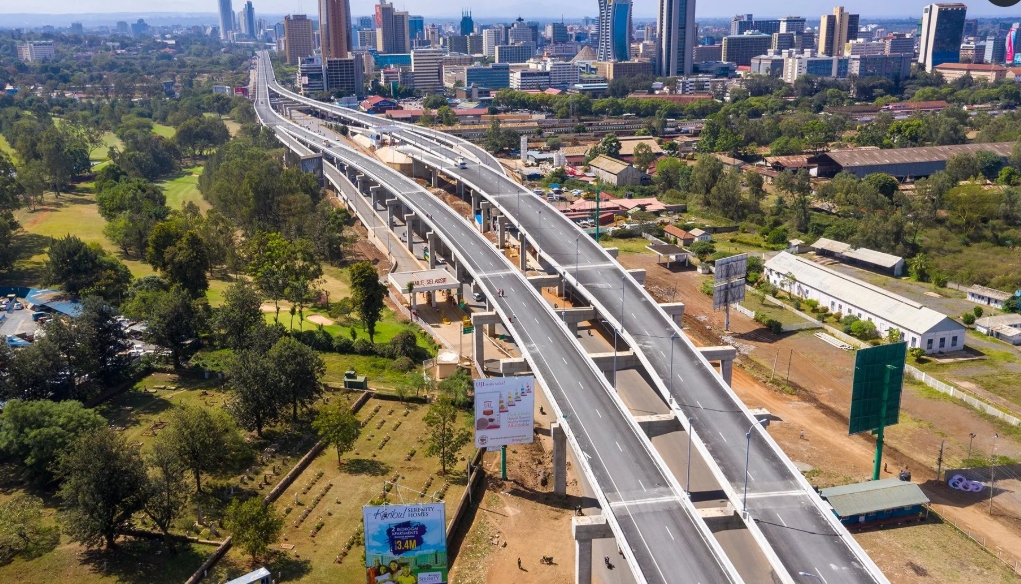
- The Nairobi Expressway lost Sh1.84 billion in six months ending December 2024.
- Operator Moja Expressway collected Sh7.16 billion from tolls but faced Sh9 billion in expenses.
- Daily traffic grew to 67,298 vehicles, a huge rise from 11,000 the previous year.
- Loan repayments and currency fluctuations affected earnings.
- The operator projects Sh106.8 billion profit over the next 27 years as usage keeps rising.
Despite attracting record numbers of motorists, the Nairobi Expressway has slipped into a major loss.
According to financial records, the road operator Moja Expressway, managed by the China Road and Bridge Corporation (CRBC), reported a Sh1.84 billion loss in the half-year period to December 2024.
The company’s toll revenue stood at Sh7.16 billion, a strong growth driven by rising daily users now averaging 67,298 vehicles, compared to about 11,000 at the same time last year.
Even with the growth, the operator’s spending reached Sh9 billion, pushed up by operational costs and loan repayments on the project, resulting in a negative balance.
The 27-kilometre expressway, launched in 2022, was Kenya’s first large-scale public-private partnership (PPP) road project.
It was built to reduce travel time between Jomo Kenyatta International Airport (JKIA) and Westlands to less than 20 minutes.
While the project has been praised for easing traffic jams and improving transport flow, the operator continues to face financial pressure from foreign loans and currency rate instability.
Experts say the PPP model, though innovative, often faces early losses because loan payments begin long before the project’s income becomes stable.
Despite the losses, Moja Expressway remains confident about the road’s future.
The company projects Sh106.8 billion in total profits over the 27-year concession period, banking on growing traffic and toll fee adjustments in the coming years.
With the expressway now a key route for thousands of motorists daily, the operator expects steady revenue growth as more drivers adopt electronic toll payments and rely on the road’s time-saving advantage.
The expressway’s financial outcome highlights both its strategic role in decongesting Nairobi and the financial risks tied to PPP projects.
While the road has transformed travel between Nairobi’s key entry points, its future success will depend on balancing infrastructure investment with economic sustainability.
As traffic continues to rise, the next few years will reveal whether this bold toll-road model can truly deliver on Kenya’s infrastructure and economic hopes.