- Wajir Woman Rep Fatuma Jehow openly declares plan to rig 2027 election for Ruto
- “Even if we don’t have votes, we’ll steal them for him,” she says at the Wajir rally
- Civil society and Kenyans online demand action from the IEBC and the police
- Legal experts cite a violation of the Elections Offences Act
- Remarks contradict DP Kindiki’s earlier denial of rigging plans
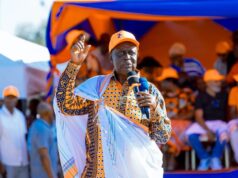
Kenya’s political landscape was thrown into disorganisation after Fatuma Abdi Jehow, the Woman Representative for Wajir, publicly declared that leaders from the North Eastern region would rig the 2027 elections to benefit President William Ruto.
In a video that has since gone viral, Jehow confidently told supporters during a weekend rally in Wajir:
“Even if we don’t have the votes, we will steal them for him. Hiyo si siri (That’s no secret).”
Her remarks were greeted with cheers by some locals in attendance, but met with fury and disbelief across the country.
Immediately after the footage emerged, Kenyans flooded social media, describing Jehow’s comments as an open attack on democracy.
Human rights groups and constitutional watchdogs are now calling for urgent action from the IEBC and investigative agencies, demanding that Jehow be held accountable for her statements.
One lawyer tweeted:
“This is no longer political banter. It’s a direct admission of electoral fraud and a threat to fair elections.”
What makes the situation more explosive is that Deputy President Kithure Kindiki, just hours before Jehow’s rally, had dismissed claims that the Kenya Kwanza government was planning to tamper with the 2027 polls.
Jehow’s bold confession now casts doubt on that assurance, placing the ruling coalition under a new cloud of suspicion.
Legal experts say the Woman Rep’s remarks could fall under Sections 13 and 15 of the Elections Offences Act, which criminalise aiding, abetting, or inciting electoral malpractice.
As of now, the IEBC has remained silent, but pressure is growing for the commission to issue a response, and Kenya’s law enforcement is being challenged to act decisively.
Kenya has long struggled with electoral credibility, from disputed presidential results to allegations of voter fraud and ballot interference.
Jehow’s words, coming just two years before the next general election, are being seen as a sign of deeper rot, and a warning that 2027 could already be compromised if no action is taken now.