- The Central Bank of Kenya (Amendment) Bill, 2025, mandates businesses to accept cash payments for transactions up to Sh100,000 and prohibits discrimination against cash users.
- A Sh100,000 fine is proposed for businesses that refuse to accept
- Insecure areas and high-value transactions may be exempt from cash payments.
- Government Services: Cashless systems may continue in government services like Huduma Centres, unless special circumstances require cash.
A parliamentary committee has backed a proposal that would mandate all business entities to accept cash as a valid form of payment for goods and services, regardless of the payment method’s popularity or modernity.
New Legislation: The Central Bank of Kenya (Amendment) Bill, 2025, seeks to amend the Central Bank Act, Cap 291, making it compulsory for businesses to accept cash payments for transactions up to Sh100,000.
Cash Payment Rights: The bill ensures that businesses cannot charge higher prices for cash transactions and emphasises fairness in payment methods.
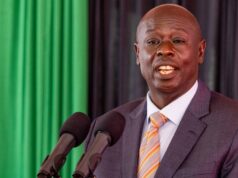
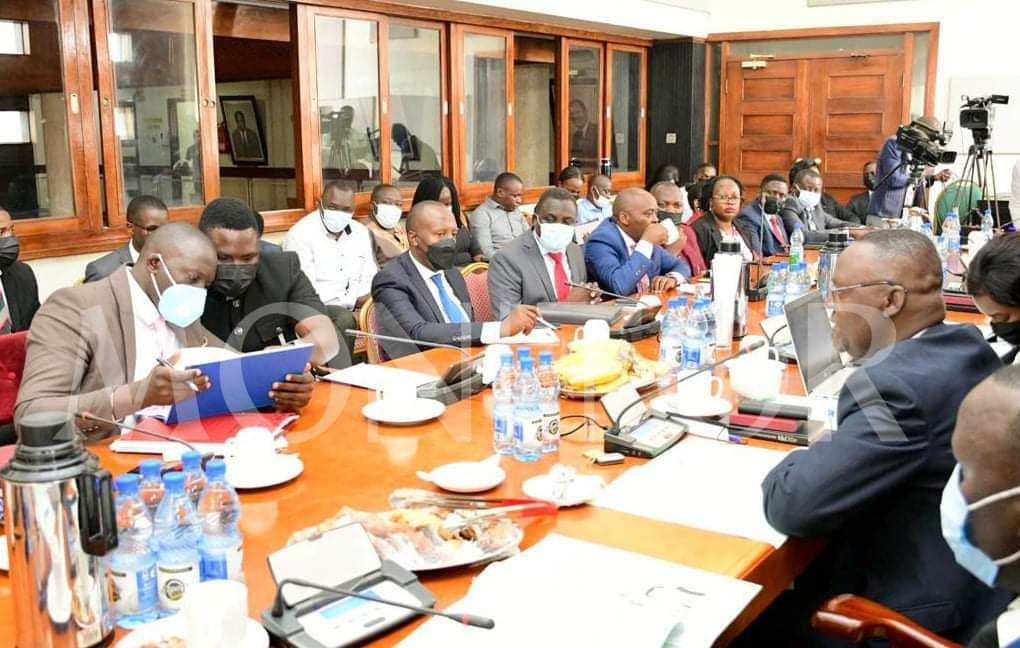
Committee’s Endorsement: The National Assembly’s Committee on Finance and National Planning, led by Benjamin Langat, has endorsed the proposal as a progressive step and recommended it for the first reading in Parliament.
Legal Tender: The committee stressed that refusing to accept cash is illegal, as only coins and notes are recognised as legal tender in Kenya.
Inclusive Payments: The bill advocates that all forms of payment, including cash, credit cards, and mobile money (M-Pesa), be available to consumers.
Equity for All: It was noted that refusal to accept cash could be disenfranchising, particularly for vulnerable groups, including those with disabilities.
Fines for Violations: The bill proposes a Sh100,000 fine for businesses failing to comply with the new regulations. This aims to enforce fairness and prevent discrimination against cash-paying customers.
Insecurity Exemption: Business entities in areas with significant security risks may be exempted from accepting cash payments to avoid potential theft or violence.
Government Services: While the bill encourages the acceptance of cash in public services, it also suggests that cashless systems at Huduma Centres should remain, unless a customer has special needs preventing them from using digital platforms.
Large Transactions: For transactions involving amounts over Sh500,000, the committee proposes that such payments remain cashless, citing efficiency and anti-corruption benefits.