- The government has rolled out urgent steps to protect small businesses after recent protests caused daily losses of up to Ksh. 3 billion.
- Authorities say the damage was severe, especially for informal traders and micro-enterprises in over 20 counties.
- A special task force will track losses, speed up permits, and guide MSMEs through recovery.
- Plans also include insurance access, digital tools, and a call for joint responsibility in protecting the backbone of Kenya’s economy.
The recent nationwide protests have hit small enterprises the hardest, prompting the government to act fast. Micro, Small, and Medium Enterprises (MSMEs), which drive much of Kenya’s economy, are now counting huge losses from looted shops, vandalised stalls, and forced shutdowns.
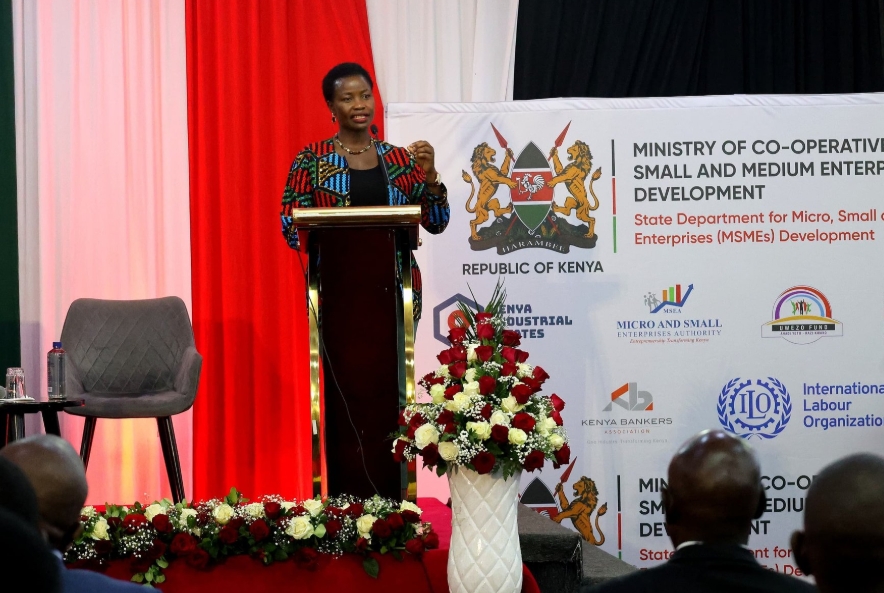
According to MSME Development Principal Secretary Susan Mang’eni, the protests held on June 25 brought massive disruption in at least 24 counties — a day she described as deeply damaging for the sector.
PS Mang’eni emphasised the need for peaceful expressions that do not harm livelihoods. She warned that while freedom of expression is protected, the economic well-being of millions cannot be sacrificed.
“We must protect economic rights, too,” she said. “There’s a way to raise voices without breaking the backs of our small traders.”
To support recovery and prevent future fallout, the state is setting up a Rapid Response Assessment Team. This body will assess damages, register affected businesses, and help renew licenses faster for MSMEs trying to bounce back.
Further, collaboration with insurers is being strengthened to speed up claims and raise awareness on the importance of business coverage.
New systems will also be introduced to deal with emergency risks. These include a riot-response plan for future unrest or weather-related shocks, digital payment adoption to cut reliance on cash, and the growth of e-commerce platforms to keep sales running during crises.
All these measures aim to build a more stable and shock-proof business environment.
Mang’eni stressed that MSMEs make up over 77% of all businesses in Kenya, playing a key role in job creation and poverty reduction. But without strong protection, this sector risks long-term damage.
She urged all partners — from county governments to civil society and donors — to work together in safeguarding this economic pillar, which aligns closely with the Bottom-up Economic Transformation Agenda (BETA).
The PS also shared promising data from the Hustler Fund’s Credit Repair Program. Over Ksh. 71 billion has reached more than 25 million Kenyans, with 400,000 now eligible for bridge loans of up to Ksh. 150,000 — a sign of improving creditworthiness among small traders.
This is seen as a major boost for access to funding in the informal and micro-business space.
All Roads Lead to MSME Day
In closing, Mang’eni invited the public and stakeholders to the upcoming World MSME Day celebration set for June 27, 2025, at KICC, Nairobi. The event will bring together business owners, policymakers, and partners to reflect, share solutions, and rally behind enterprise resilience.
“Let’s join hands and rebuild stronger,” she said. “Kenya’s growth depends on how well we support our smallest businesses.”