- KSh 47.6 billion set aside to support farming and increase food production.
- Focus areas include fertilisers, irrigation, livestock, fisheries, and value chains.
- Fertiliser prices dropped by 67% while maize yields rose by nearly 39%.
- Millions of farmers have already benefited from the subsidy programme.
- Livestock and fisheries sectors also get major backing.
- Climate change resilience projects receive dedicated funding.
- New push for crop and livestock insurance training.
The government has unveiled a bold KSh 47.6 billion investment in the 2025/26 financial year aimed at transforming Kenya’s agricultural sector and cutting its reliance on imported food.
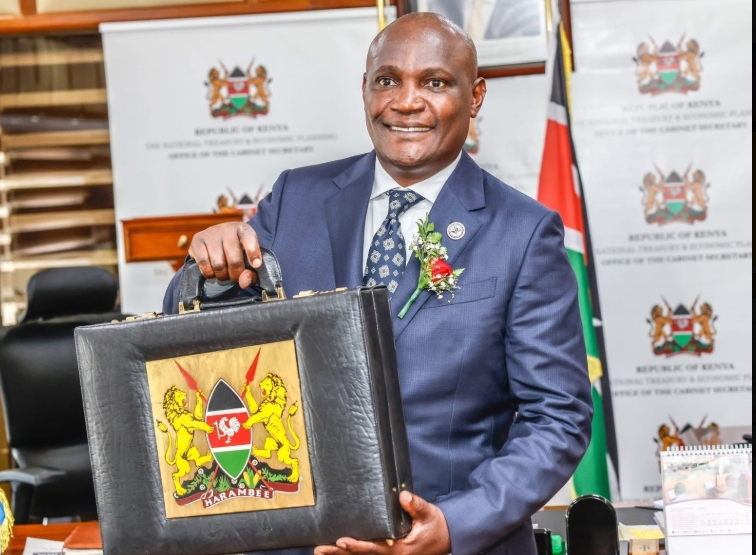
Treasury CS John Mbadi, while presenting the national budget, said agriculture remains at the heart of the country’s development plan, especially for ensuring long-term food security and expanding export earnings.
Farmers to Get More Inputs and Field Support
CS Mbadi said the government will enhance support to farmers through subsidised inputs, increased access to credit, and technical services. The aim is to move the country from food shortages to food surpluses.
Key Agriculture Allocations: KSh 8 billion – Fertiliser Subsidy Programme, KSh 10.2 billion – Agricultural Value Chain Development, KSh 800 million – Small-Scale Irrigation and Value Addition, KSh 1.2 billion – Food Security and Crop Diversification, KSh 5.8 billion – Food Systems Resilience Project
Mbadi revealed that over 6.5 million farmers had already benefited from the fertiliser subsidy, contributing to a 67% price drop and a 38.9% boost in maize output.
Livestock Sector Also Receives Financial Boost
The budget also focuses on strengthening pastoralist economies and livestock-based trade across the country.
Livestock and Leather Support: KSh 2.3 billion – De-Risking and Value Addition in Pastoral Areas, KSh 1.6 billion – Kenya Livestock Commercialisation Programme, KSh 280 million – Livestock Value Chain Support, KSh 340 million – Development of Kenanie Leather Park
Blue Economy Gets Major Investment
The Treasury has not left out Kenya’s vast water resources. The Blue Economy and Fisheries sector will get KSh 8.2 billion to promote aquaculture and marine development. Key Fisheries and Aquaculture Funding: KSh 2.3 billion – Aquaculture Business Project, KSh 2.4 billion – Marine Fisheries Development, KSh 500 million – Kabonyo Fisheries Training Centre
Tackling Climate Change in Agriculture
As part of the climate change response, the government has committed funds to help farmers cope with drought and unpredictable weather.
Climate Resilience Projects: KSh 1.3 billion – Food & Nutrition Security in Horn of Africa, KSh 318 million – Ending Drought Emergencies Project
The CS also announced that the Insurance Regulatory Authority is rolling out special training on crop and livestock insurance to boost climate-smart farming and protect farmer incomes.
The Bigger Picture
This ambitious funding comes at a time when the government projects total revenue to hit KSh 3.32 trillion, with overall spending expected to reach KSh 4.29 trillion.
CS Mbadi said the investments are a signal of the state’s serious intention to rebuild agriculture into a resilient, inclusive, and market-driven sector that can feed the country and earn from exports.