- Cardinal Robert Francis Prevost has been elected Pope, taking the name Leo XIV.
- He becomes the first American ever to lead the Catholic Church.
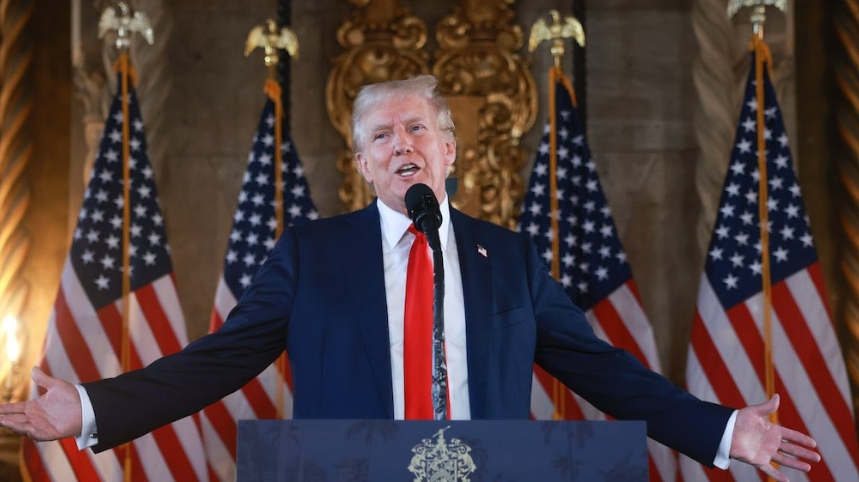
- Trump celebrated the announcement on Truth Social, calling it a proud moment.
- The U.S. President confirmed plans for a visit to the Vatican.
- Vice President Vance, a Catholic, also shared his excitement.
- Pope Leo XIV’s first message emphasized unity and peace-building.
Moments after white smoke rose from the Sistine Chapel, signaling the election of a new pope, U.S. President Donald Trump took to his Truth Social platform to celebrate. He congratulated Cardinal Robert Francis Prevost on becoming the first American Pope, expressing joy and calling it a proud occasion for the entire country.
A “Meaningful Moment” for America
In his post, Trump referred to the development as “a Great Honor” for the United States and said he was eager to meet Pope Leo XIV, describing the upcoming encounter as deeply meaningful. He also acknowledged the rare nature of this moment in both religious and national history.
White House Plans Vatican Visit
Speaking to journalists at the White House, President Trump admitted that the announcement came as a bit of a surprise but stressed its importance. He confirmed that official channels had already been opened with the Vatican and that plans were underway for a presidential visit.
VP Vance Applauds Historic Moment
Vice President J.D. Vance, himself a convert to Catholicism, shared his thoughts on X (formerly Twitter), saying it was a moment of pride for American Catholics. His remarks echoed the national significance many feel about this milestone.
Who Is Pope Leo XIV?
Born in Chicago, Pope Leo XIV had been serving as the Prefect of the Dicastery for Bishops before his election. In his first public speech, he called on believers to “build bridges” and take part in global peace efforts—a message of unity at a time of international uncertainty.
A Turning Point in Church History
The election of Pope Leo XIV marks not just a new era for the Catholic Church, but a symbolic shift in the church’s global leadership. It also opens a fresh chapter in U.S.-Vatican relations, as both spiritual and diplomatic eyes now turn to Rome.